Tomo Ingalls

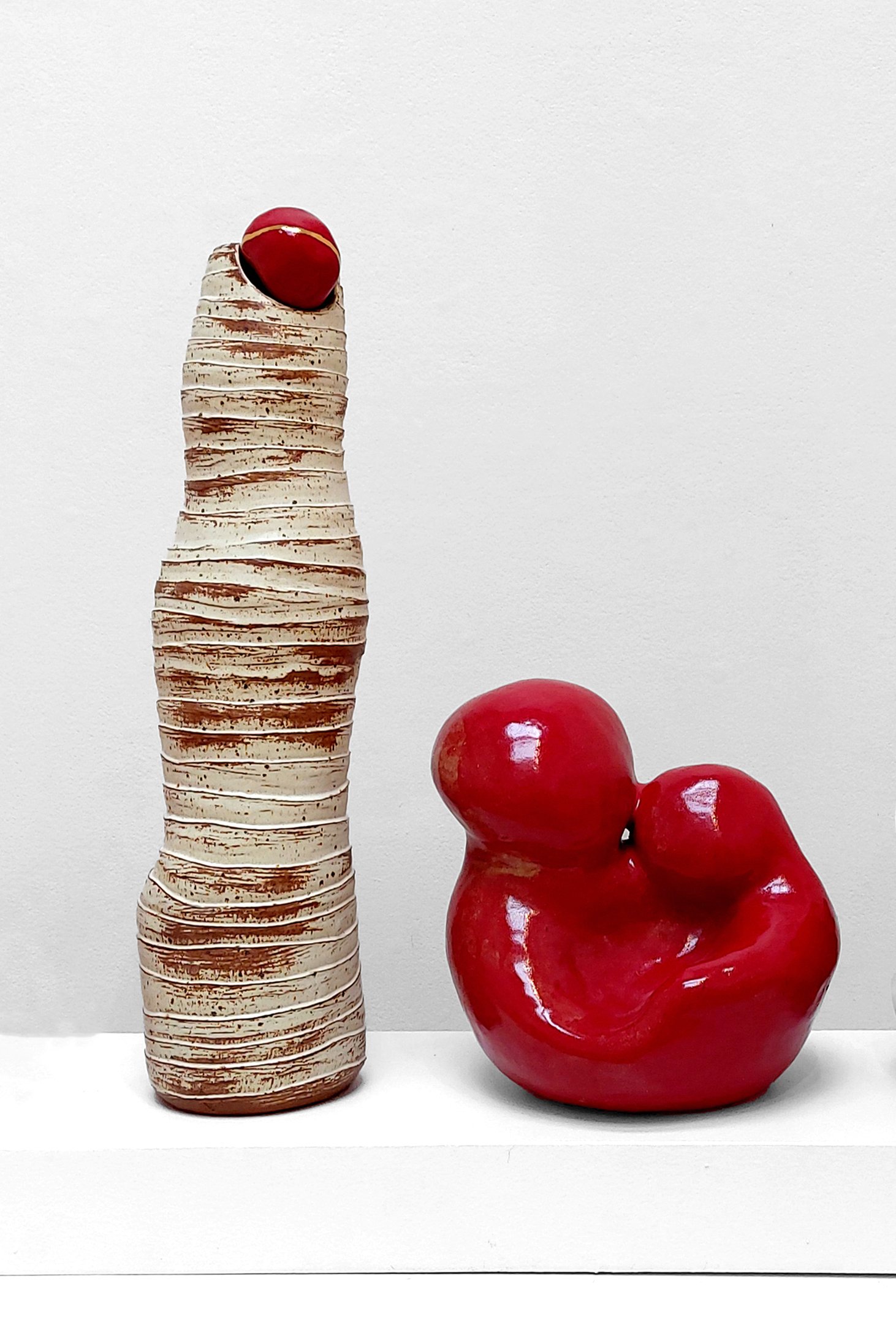
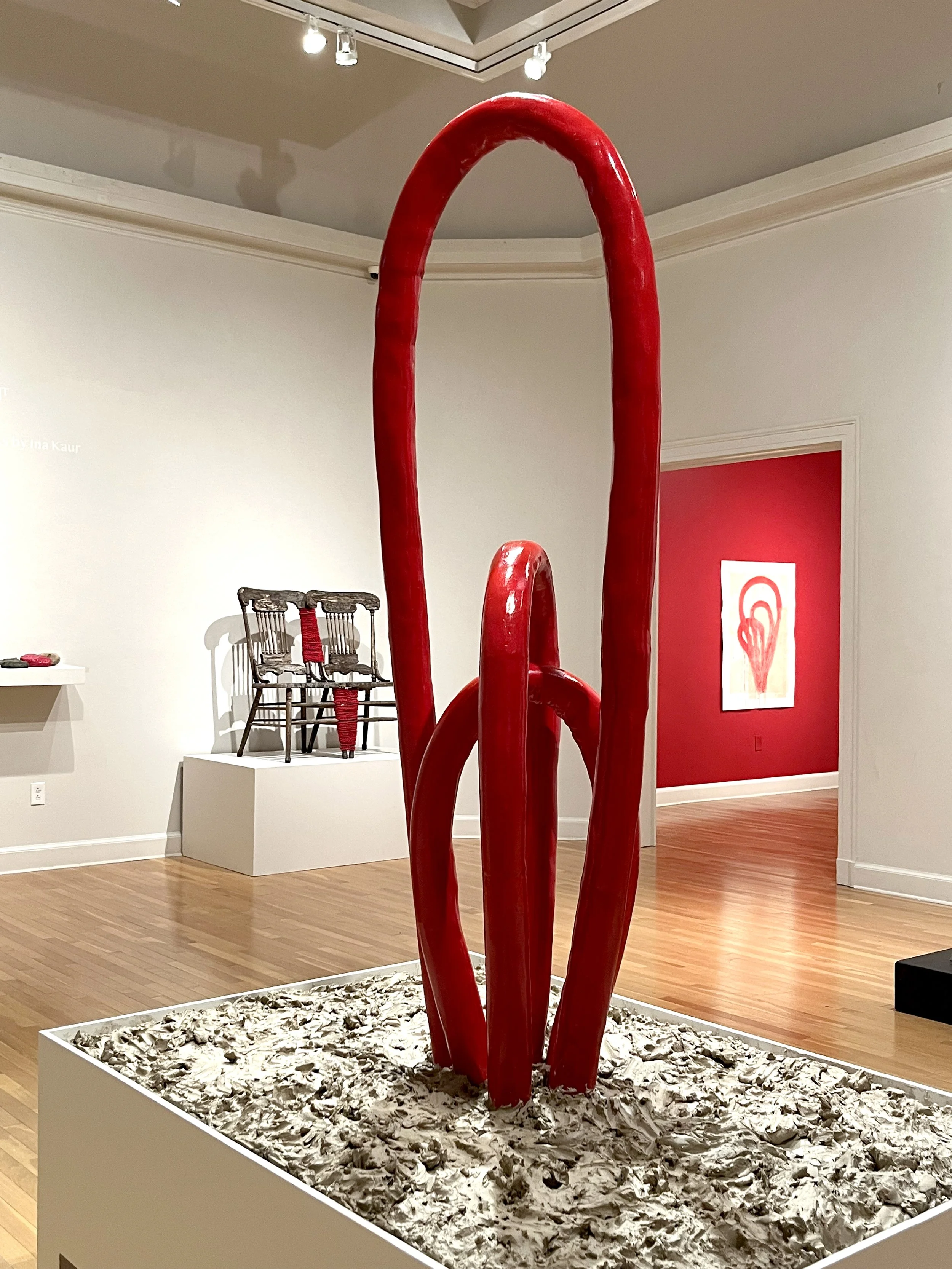
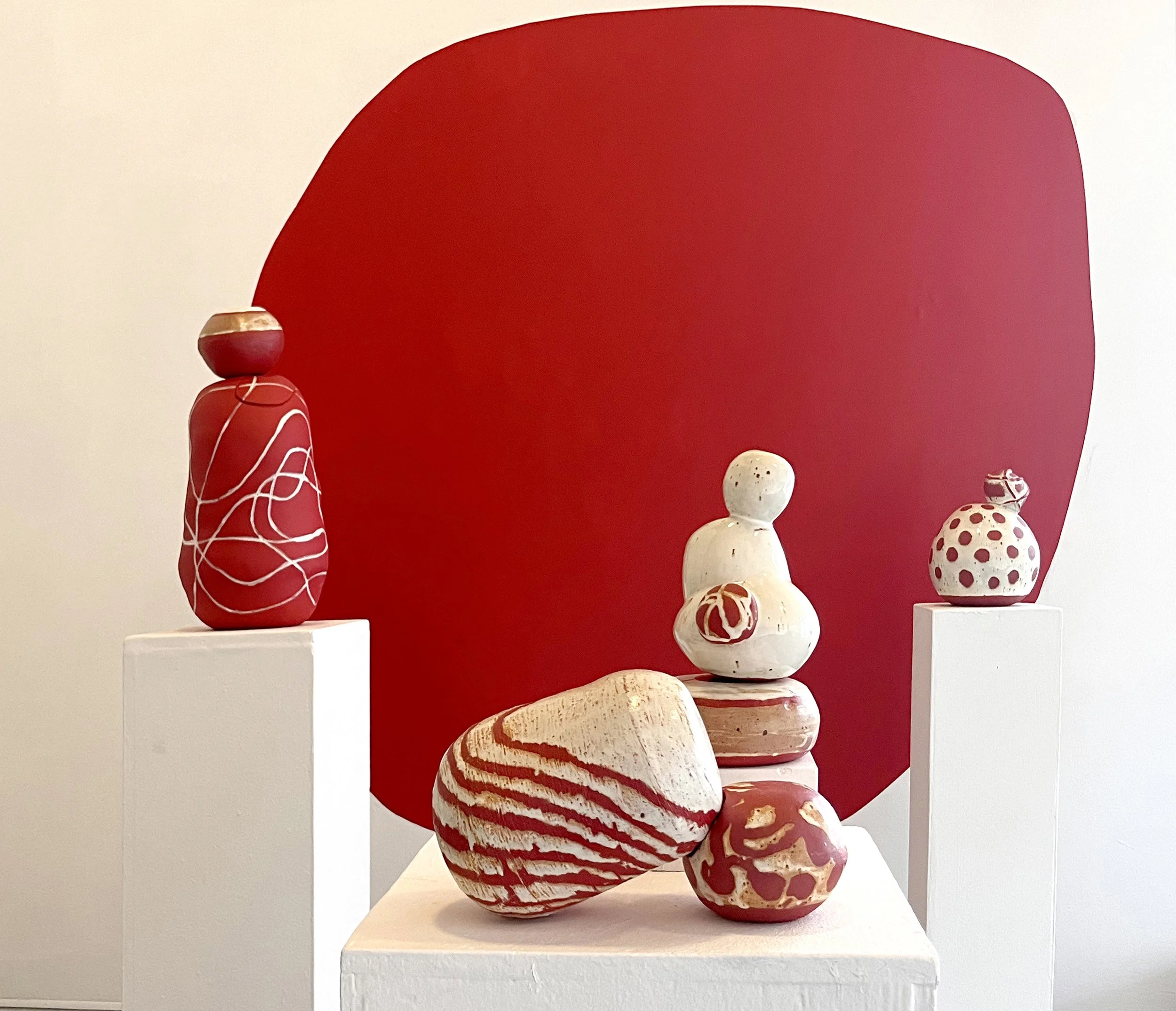
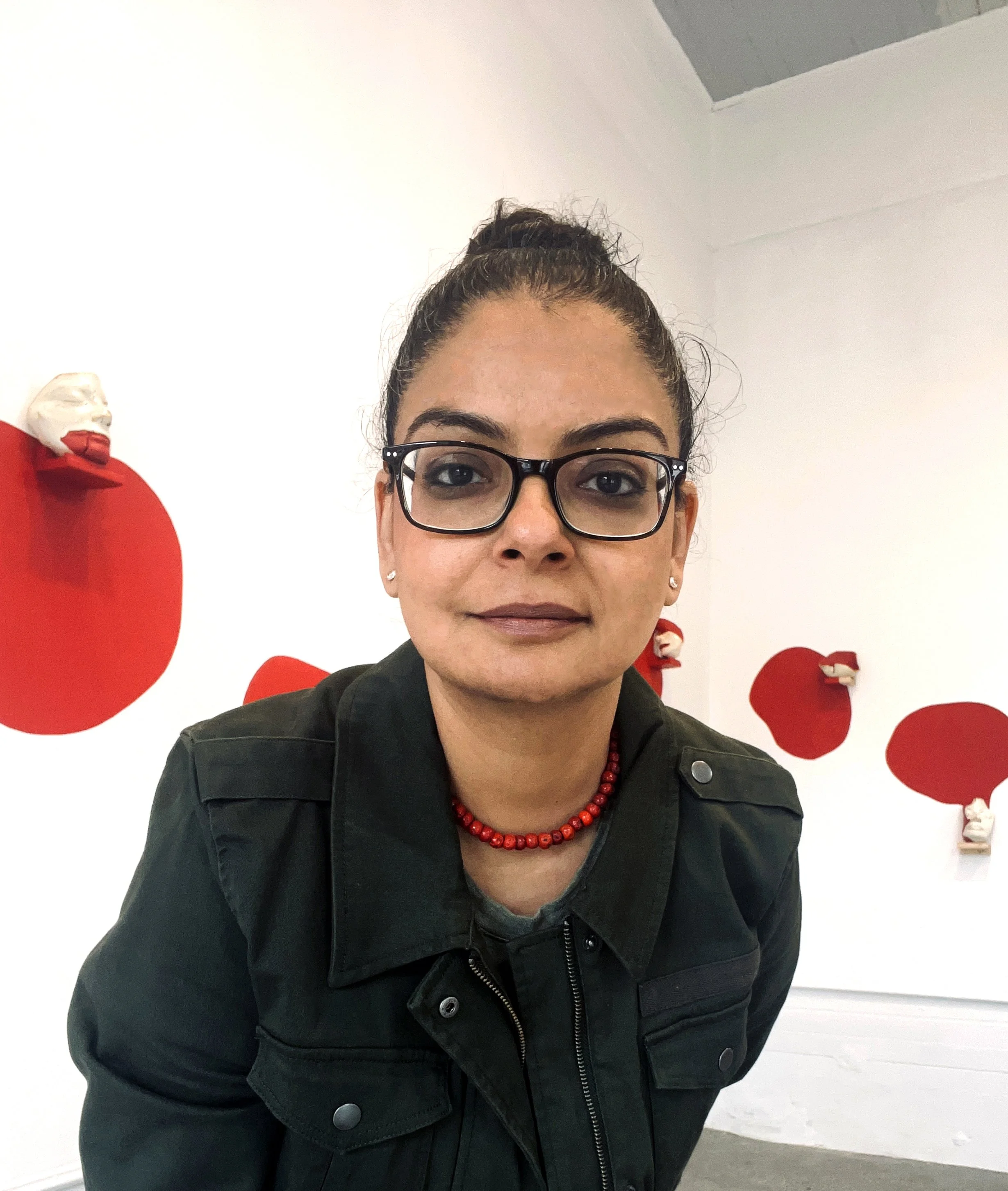
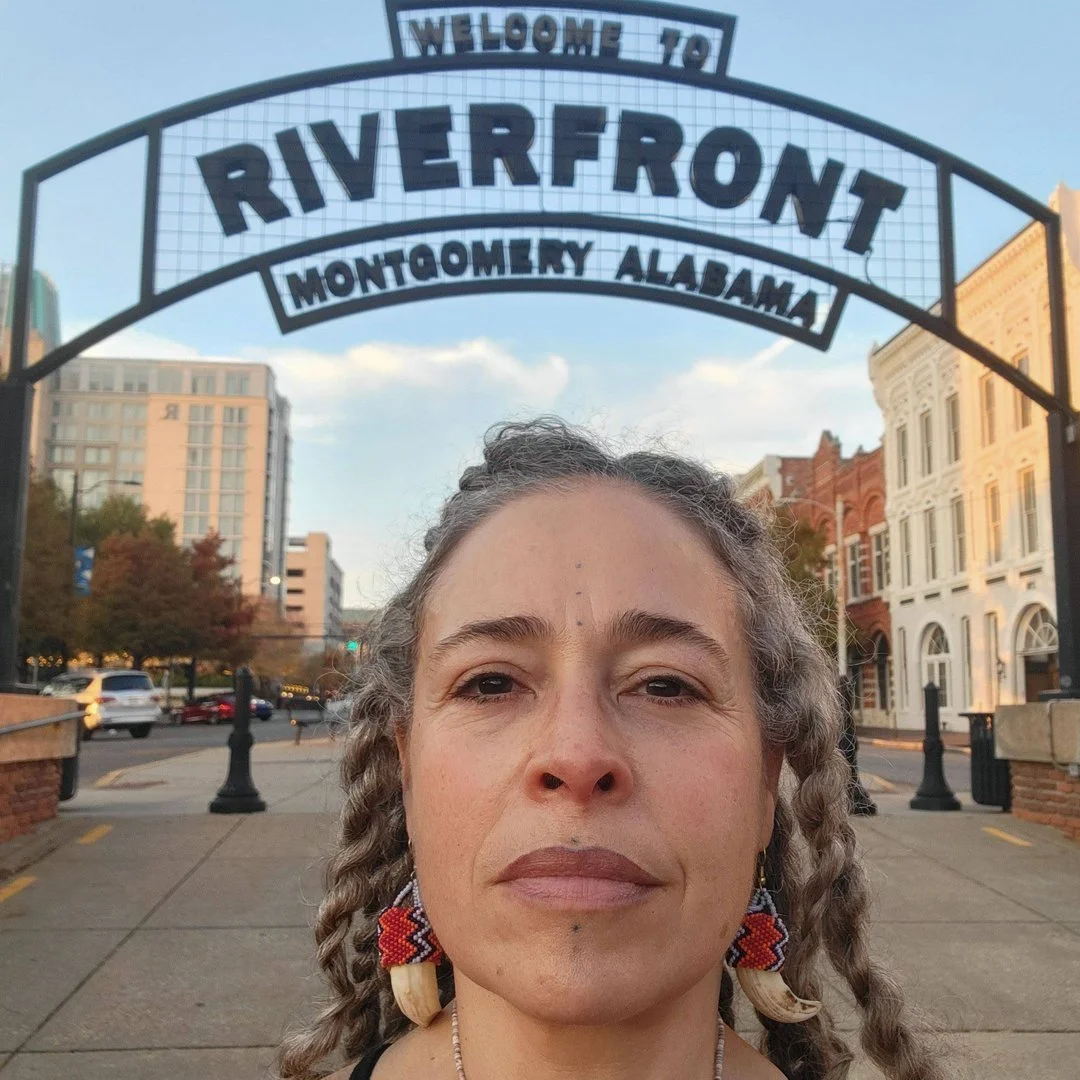
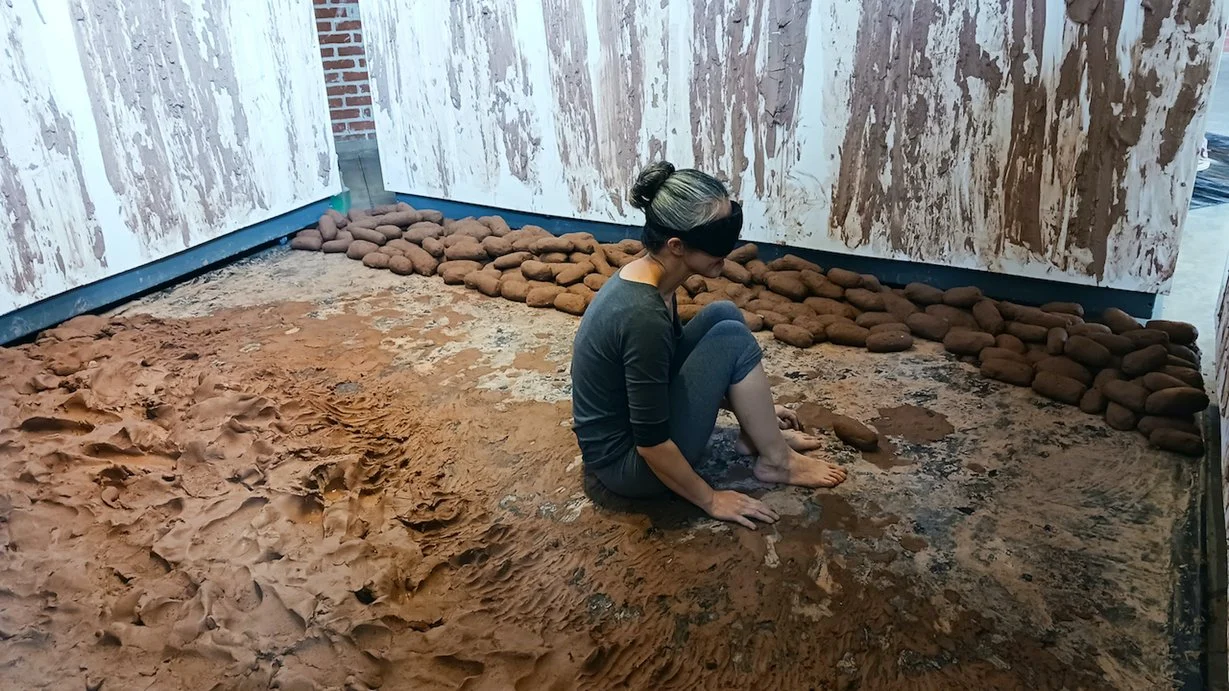
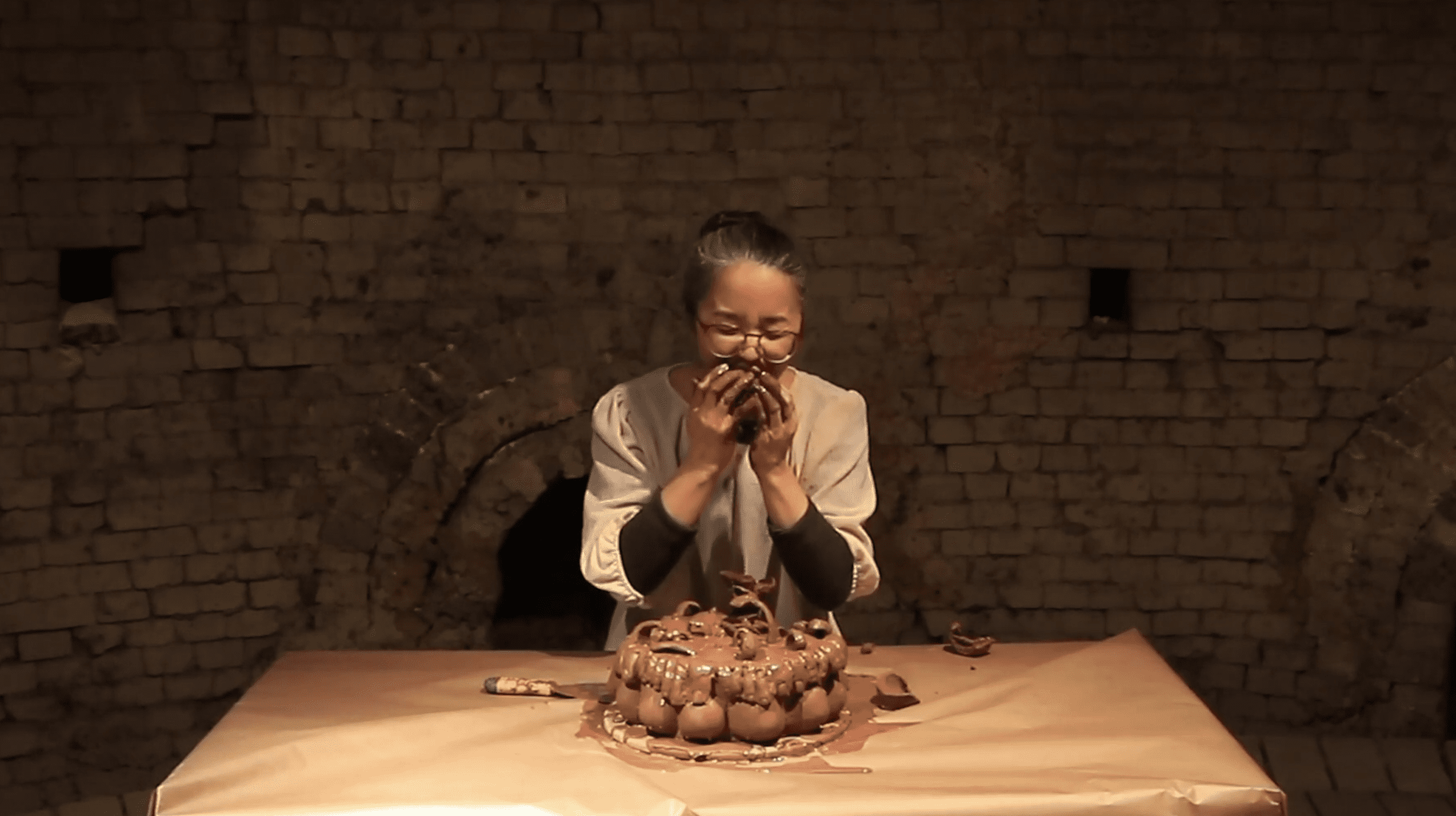
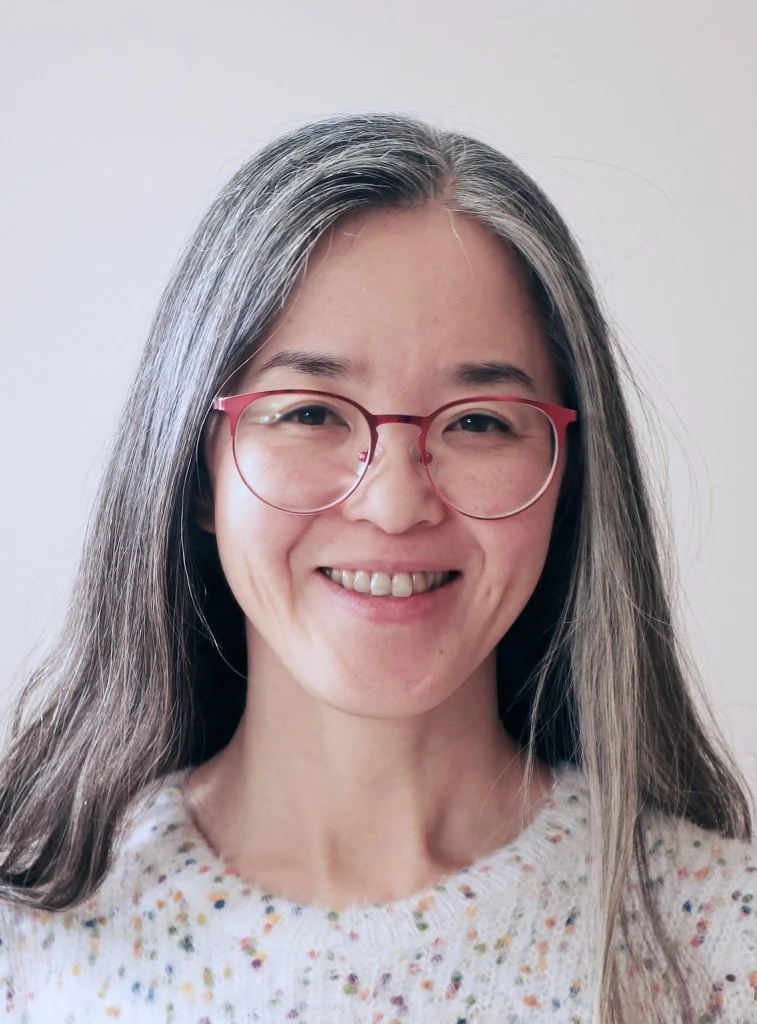
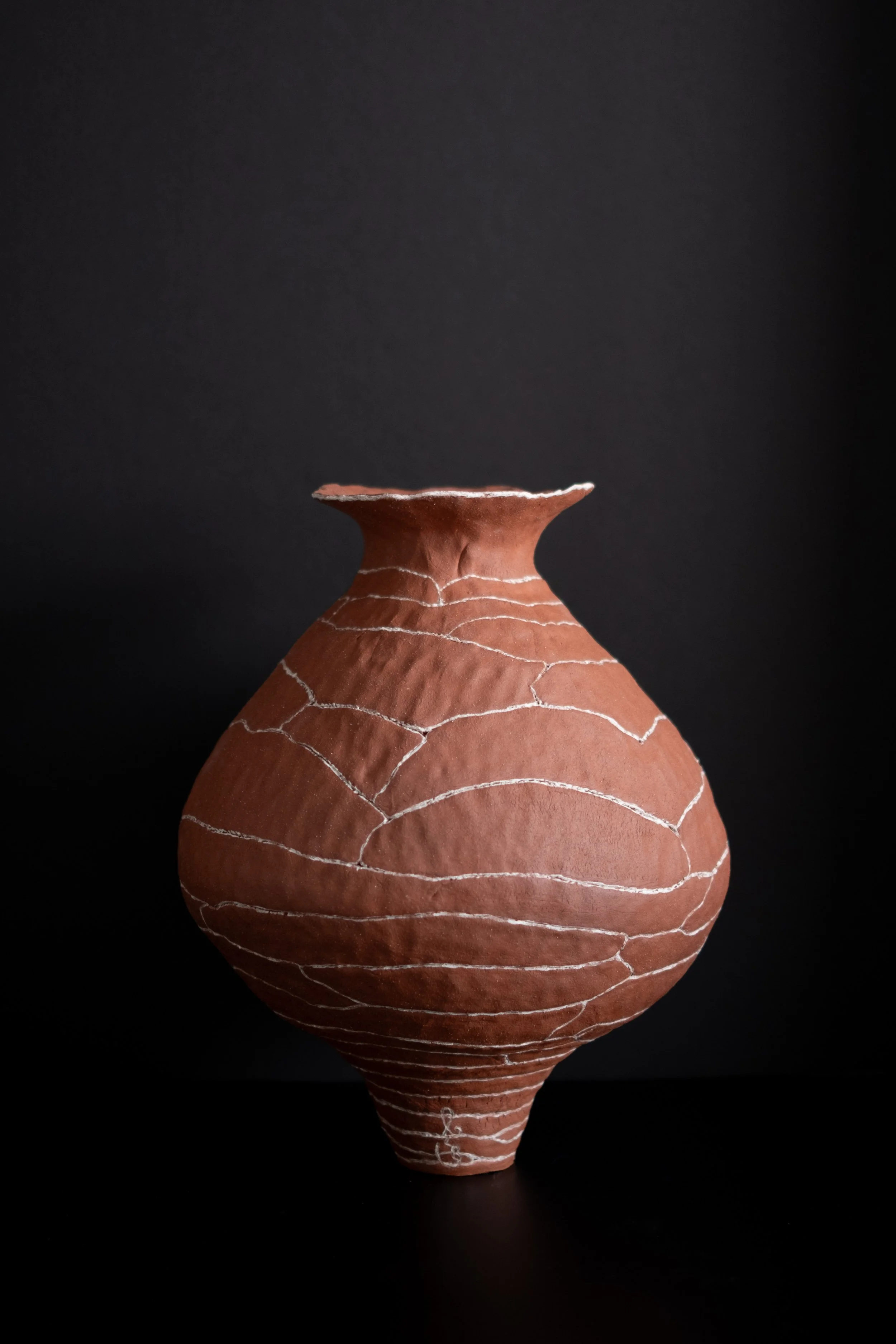
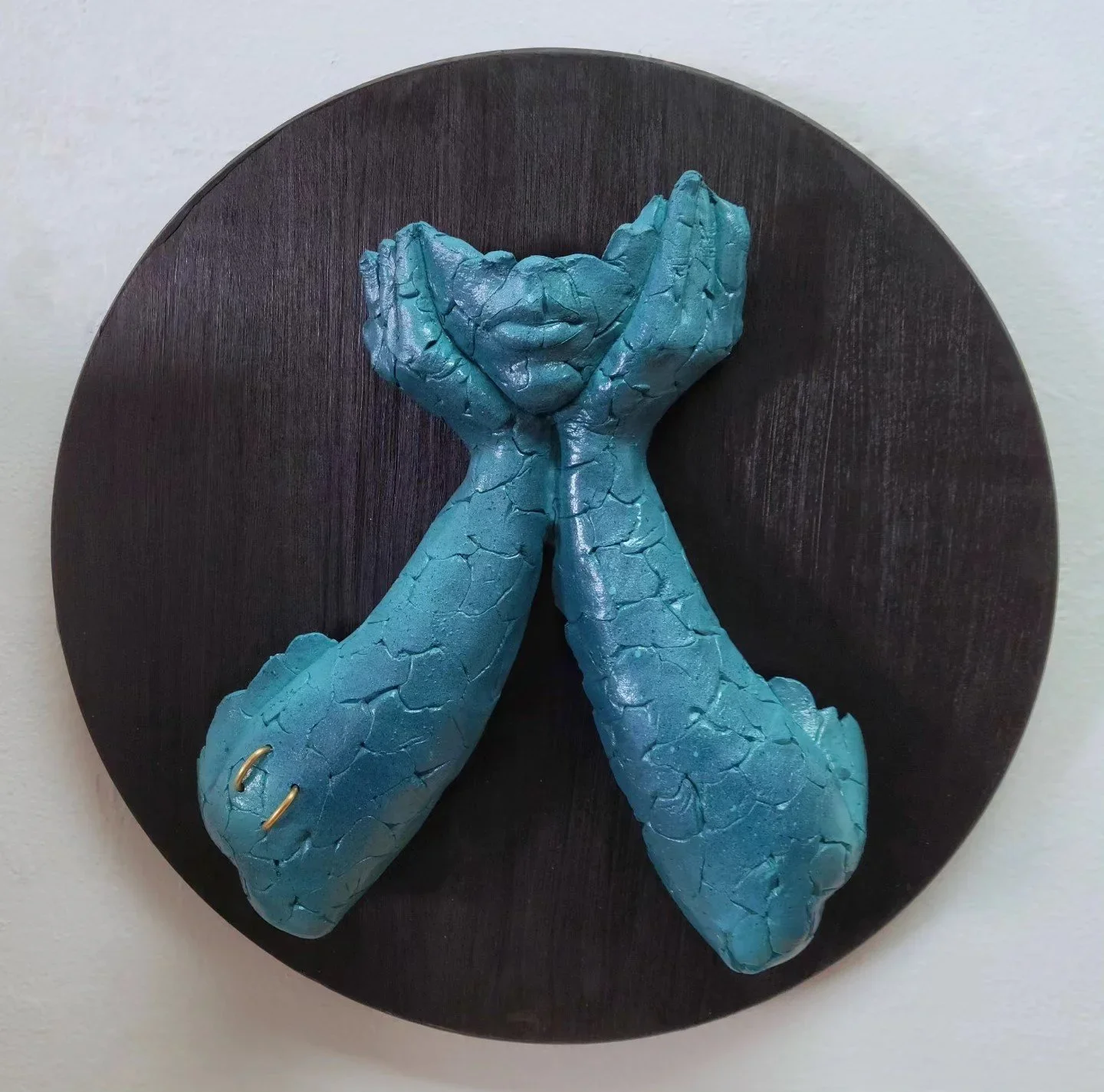
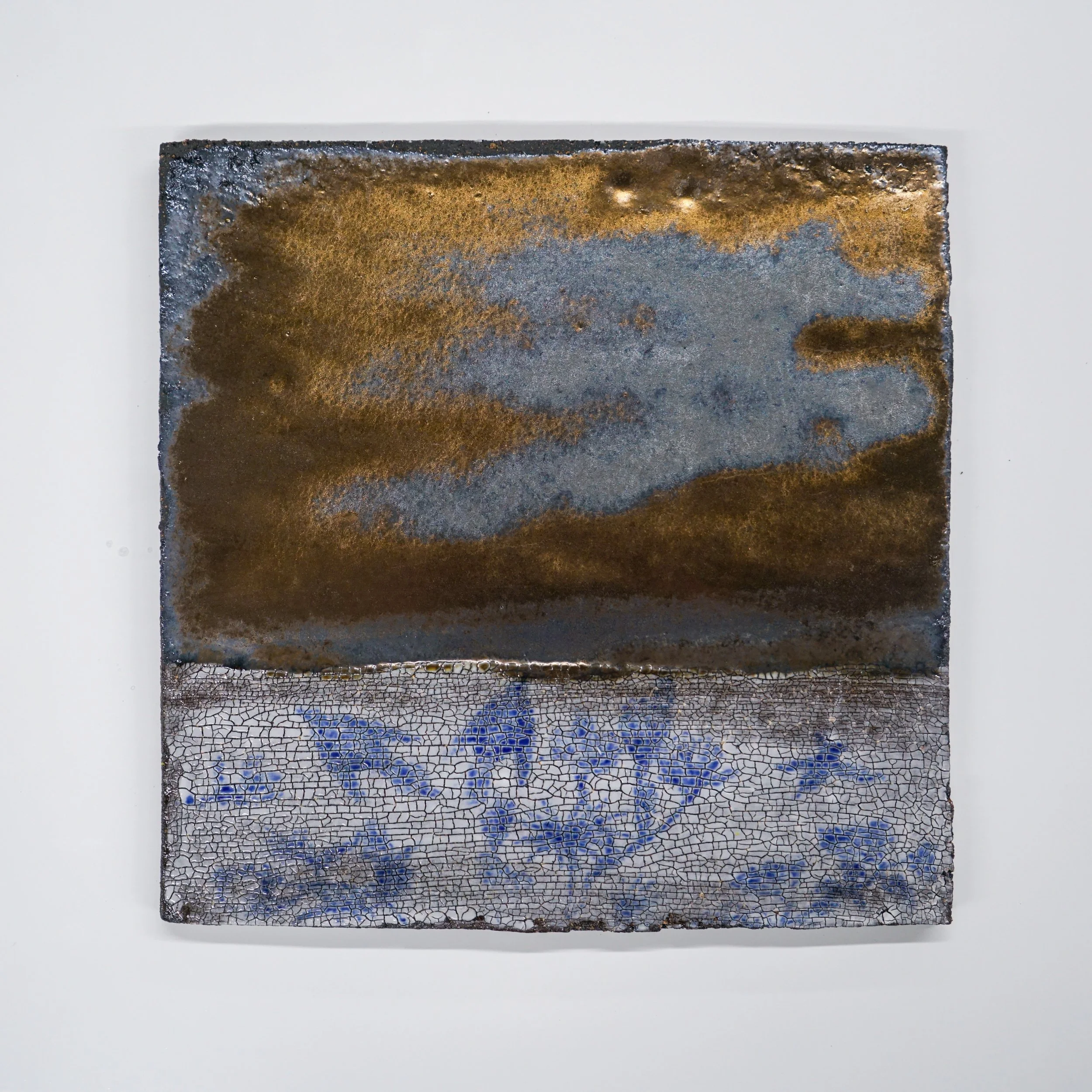
Tomo Ingalls is a Japanese clay and performance artist based in Medicine Hat, Alberta, Canada. Initially trained as a potter, she worked as a production potter before pursuing her graduate studies at the Alberta University of the Arts. Her embodied knowledge of making through movement continues to resonate throughout her sculptural practice. Since completing her MFA, her work has been exhibited in Canada, the United States, and Greece. She has participated in residencies at Medalta, the Vermont Studio Center, the Anderson Ranch Art Center, and the Haystack Mountain School of Crafts. In 2023, she was named an NCECA Multicultural Fellow.  

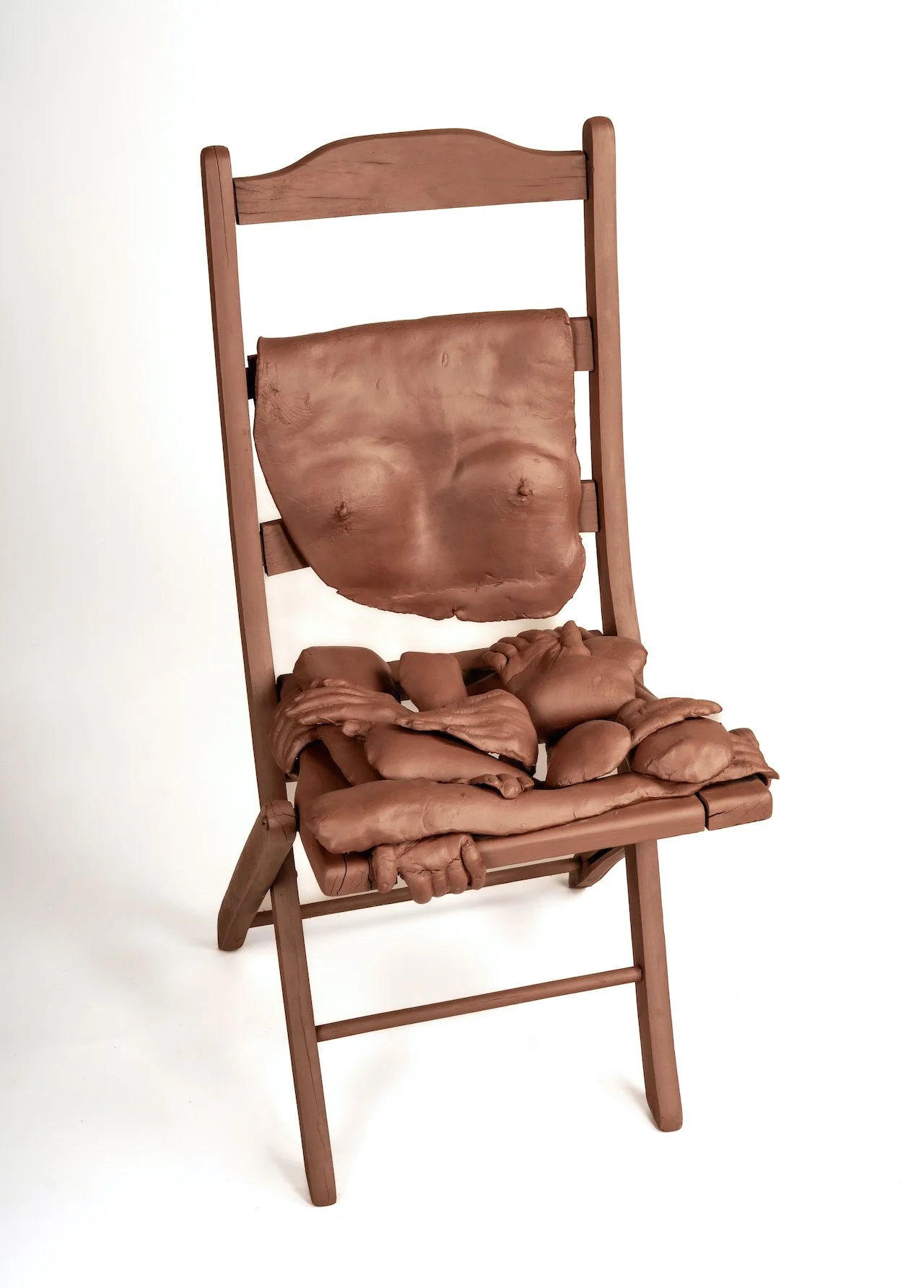
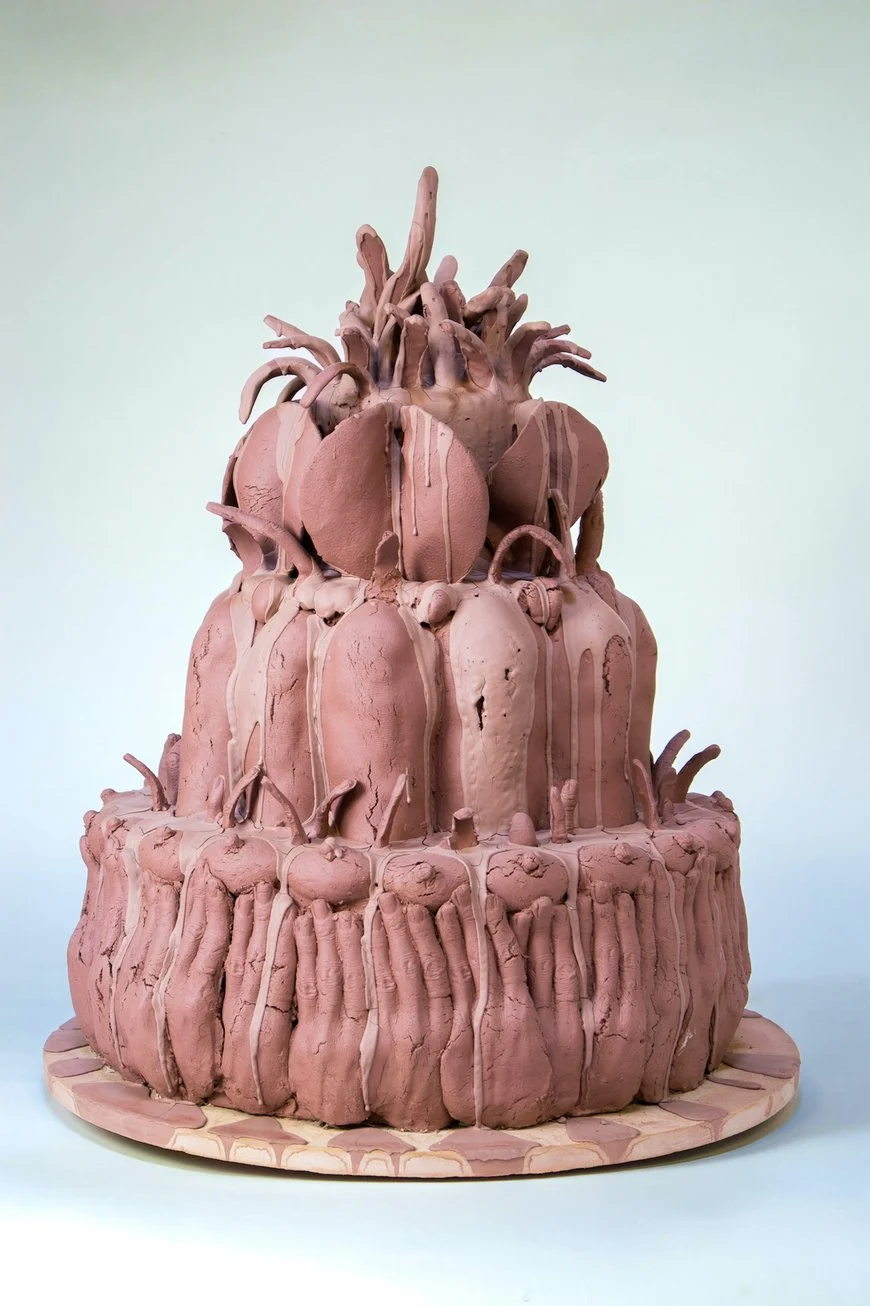
The discipline of my early training in repetitive making processes instilled an embodied understanding of form and material that continues to ground my practice. Working across sculpture and performance, I cast parts of my body to explore the marks it inherently carries, traces inherited from ancestors and etched by repeated actions over time.

Drawing from my experiences as an immigrant, mother, daughter, and partner, I investigate how identity shifts in response to physical structures, environments, and interpersonal dynamics. My goal is to use clay’s malleability, instability, and capacity for transformation to examine how the body and identity are shaped, fractured, and re-formed by cultural, structural, and emotional forces. Through this process, I aim to invite reflection on vulnerability, resilience, and the body’s continual negotiation within shifting environments.

By cutting, multiplying, and reassembling clay body parts, I transform familiar bodily forms into abstract structures that embody destruction, transformation, and regeneration. The impermanence of the material mirrors the fluidity of identity, allowing each work to exist in a state of becoming rather than a state of permanence.

My installations often integrate furniture, mixed-media video, and live performance, creating immersive environments where the body and material interact in real time. Clay’s physical properties, its ability to yield, crack, dry, and collapse, become metaphors for the instability of identity and the ways we adapt to or resist the conditions that shape us. Through these works, I seek to provoke questions about how the body navigates structural, cultural, and emotional landscapes.

(instagram)(website)

Zainabu Usman Yusuf

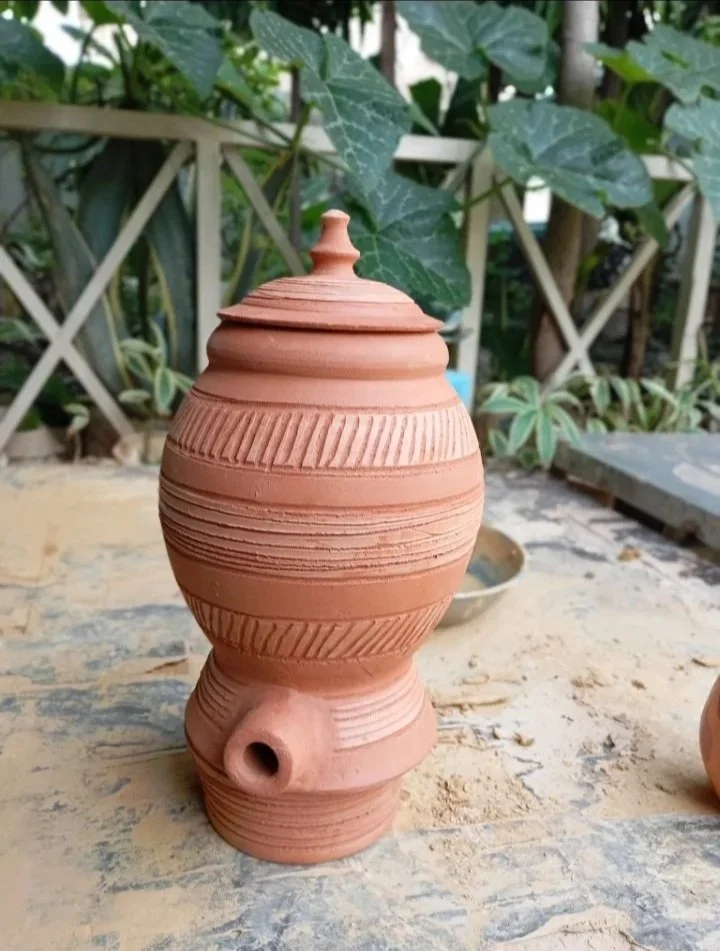
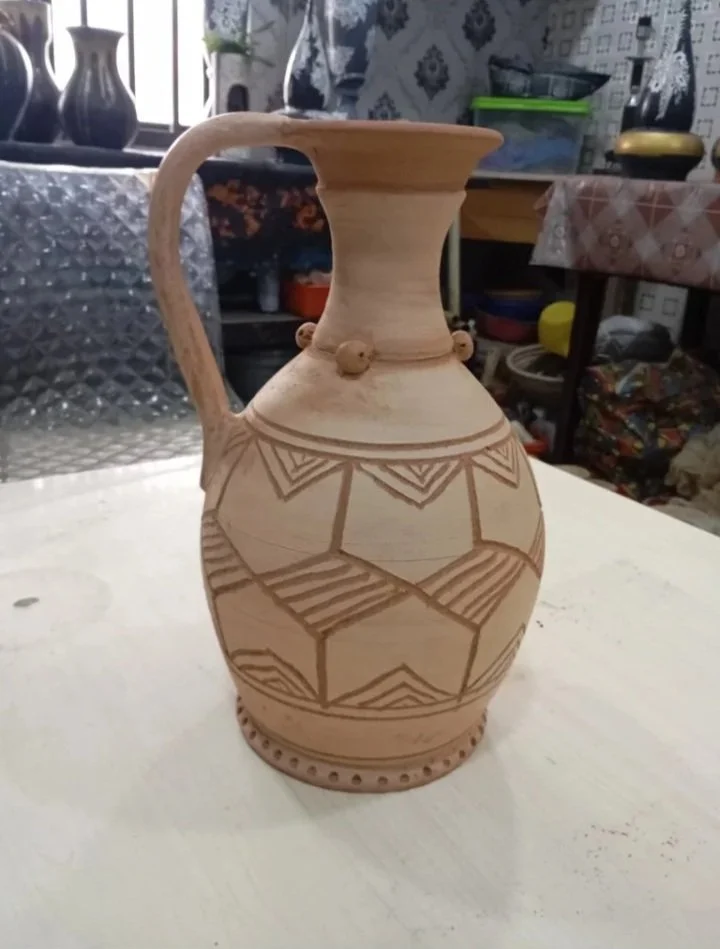
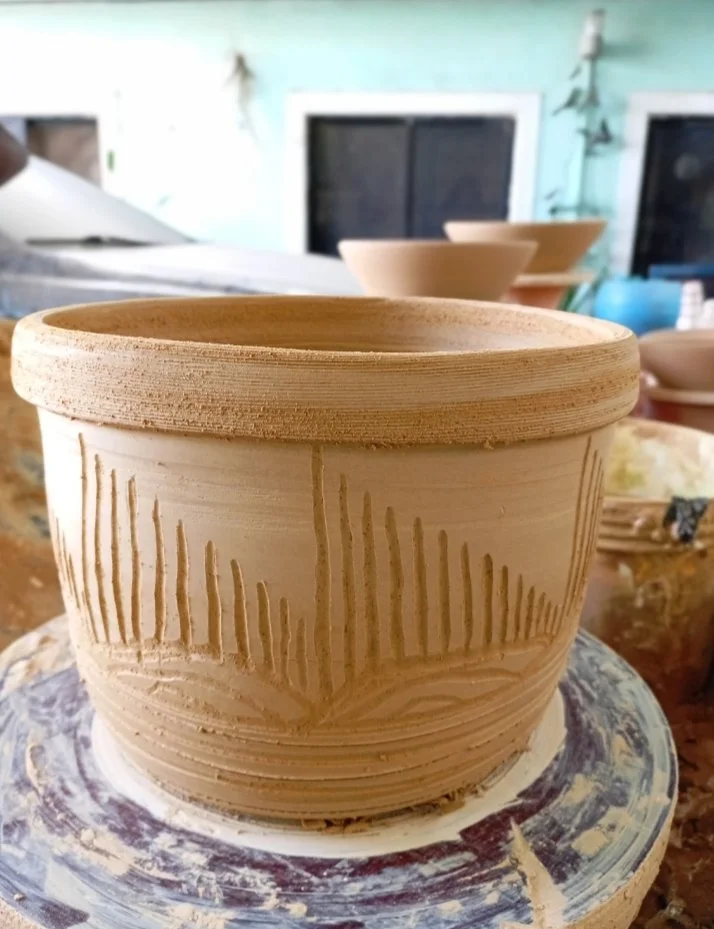
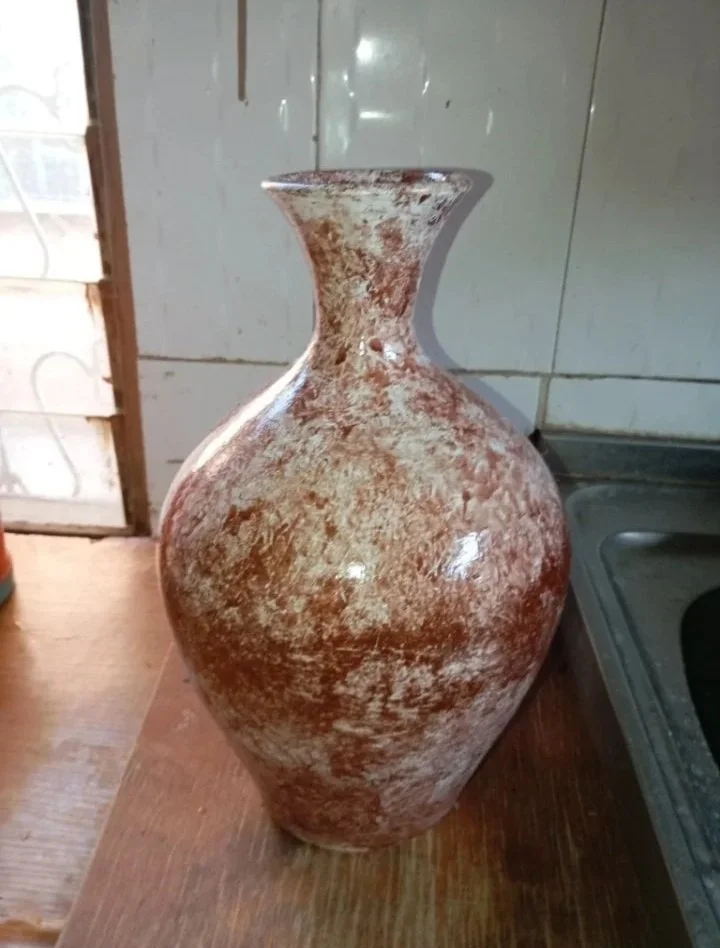
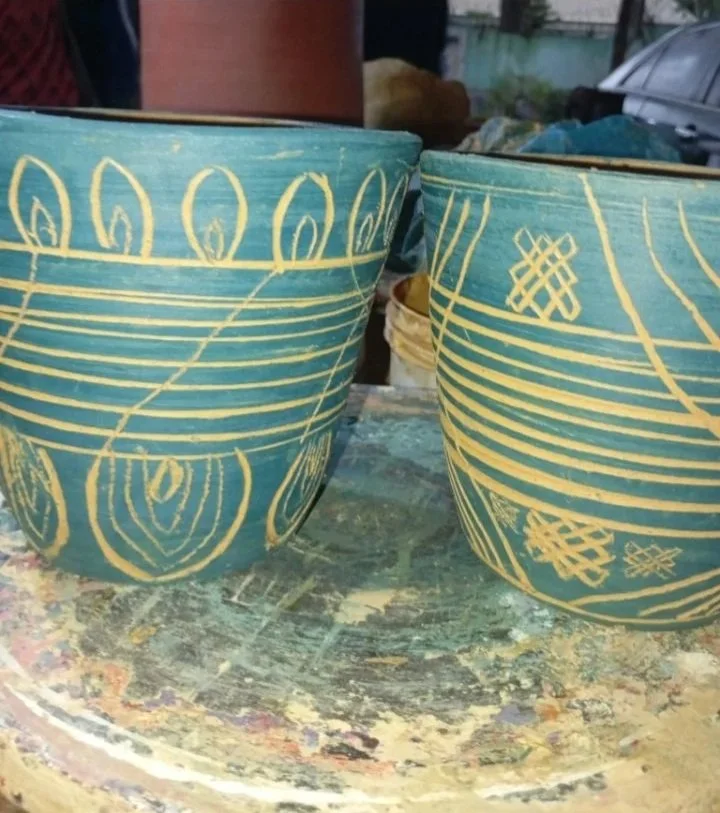
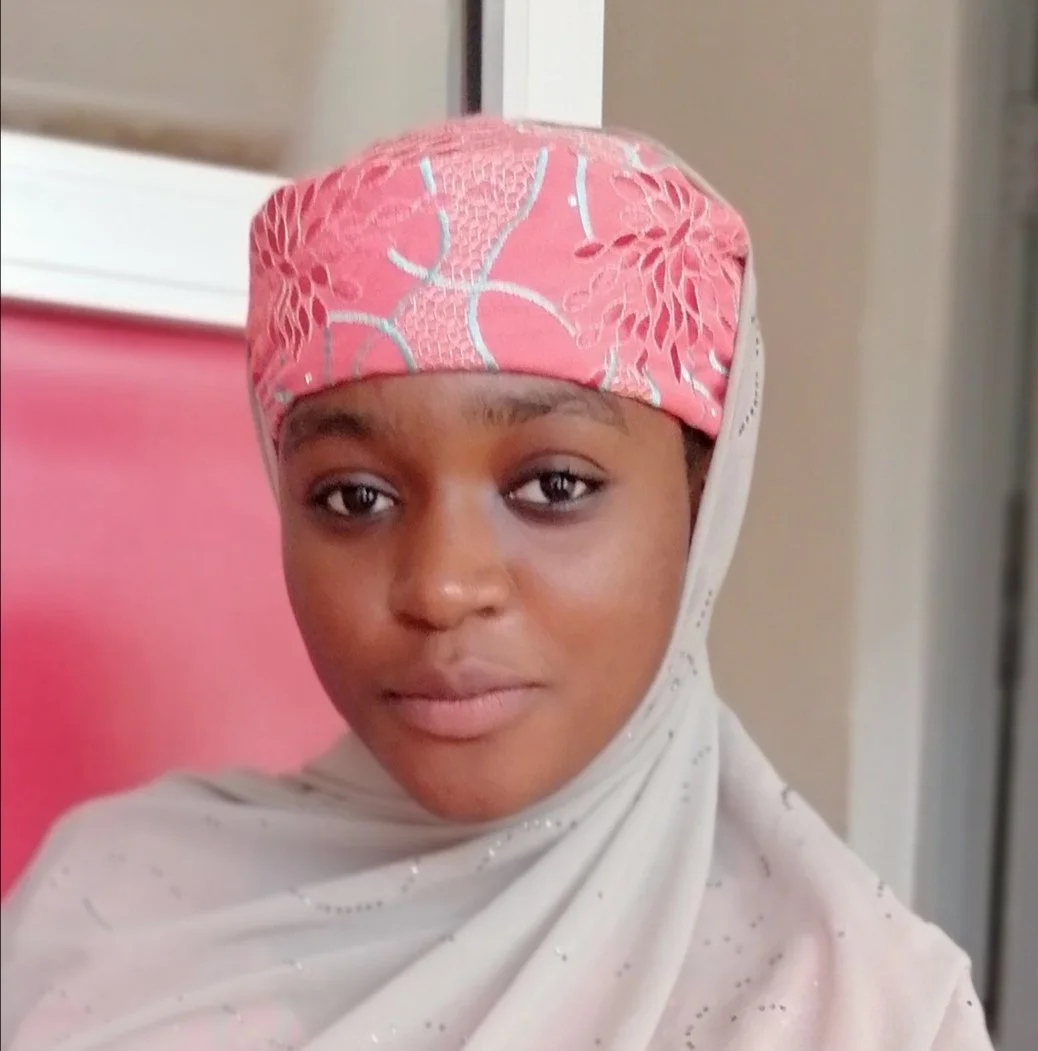
Zainabu Usman Yusuf is a Nigerian clay artist and emerging potter whose work explores the connection between culture, identity, and contemporary ceramics. Through her platform clayandculture.ng, she draws from Arewa pottery traditions and reimagines them with modern forms and sgraffito decoration.

Since beginning her pottery journey, Zainabu has developed a personal style that blends functional and decorative vessels inspired by heritage, memory, and everyday life. Pieces like Butan Shayi and Zanen Tukwane honor Northern Nigerian craft traditions while expressing her evolving vision for African ceramics.

She sees clay as a language of storytelling, healing, and transformation, She believes our hands can be used for so many things—they hold no limit.

Alongside her studio practice, Zainabu is dedicated to community engagement. She has co-facilitated youth pottery workshops and participated in Art Exhibition, where she introduced children and visitors to the pottery wheel and creative clay processes.

Driven by cultural preservation and innovation, she works to connect traditional knowledge with new design ideas, contributing to the growing story of Nigerian and African pottery in the modern world.

I work with clay to honor the stories, traditions, and lived experiences that shape my identity as a Northern Nigerian potter. My practice blends cultural memory with contemporary design, allowing me to explore how everyday vessels can carry history, meaning, and emotion.

Through wheel throwing, hand-building, sgraffito carving, and experimental forms, I create pieces that reflect my environment and my connection to heritage. Clay gives me a language of expression. It grounds me, teaches me, and reminds me that the human hand is a powerful tool for both making and remembering.

My goal is to contribute to the evolving story of African ceramics by preserving traditional knowledge while imagining new possibilities for clay in the modern world.

(instagram)

Mariko Okubo

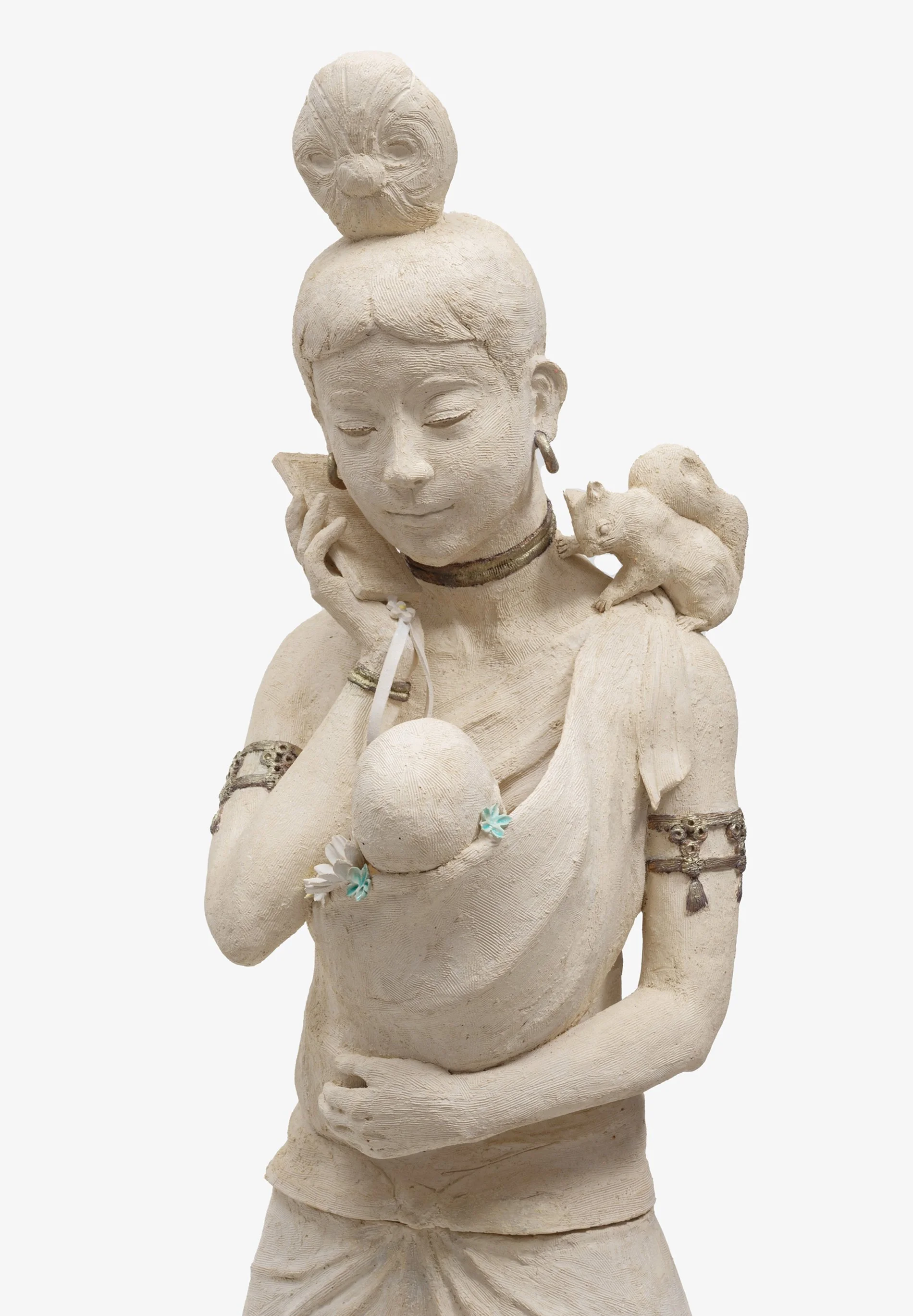
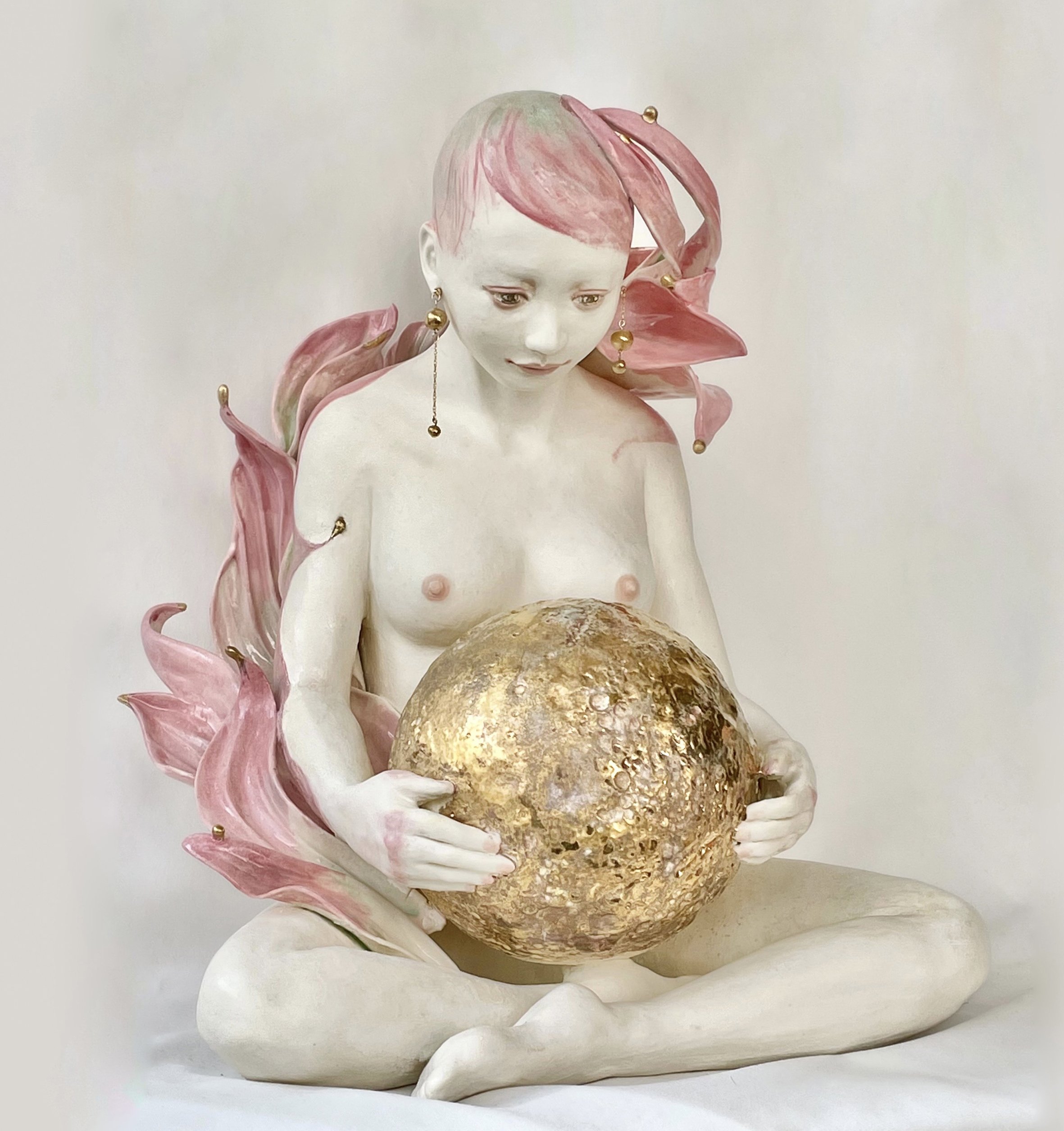
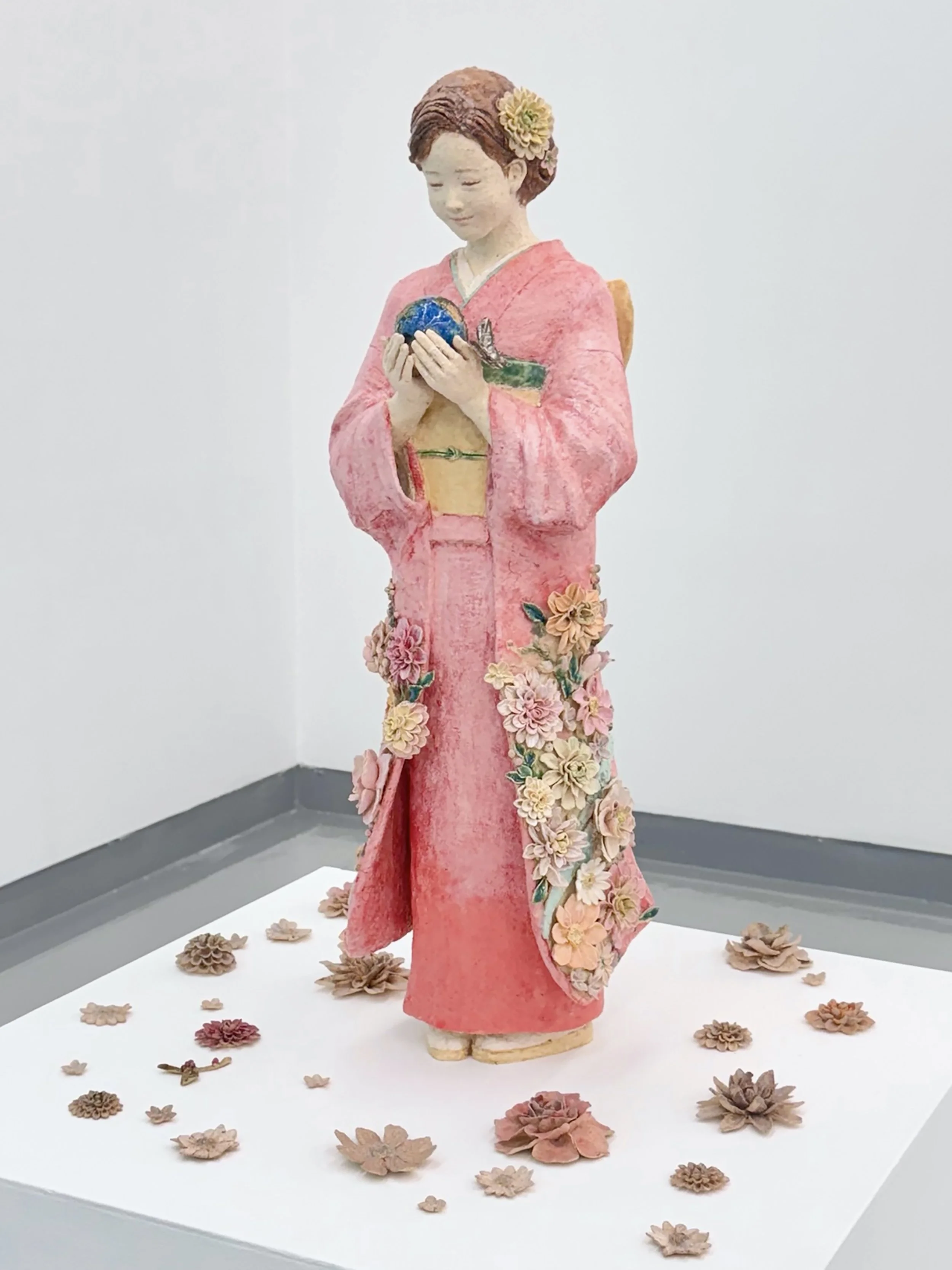
Mariko Okubo is a Kyoto-based ceramic artist recognized for her quiet and expressive figurative sculptures that give tangible form to subtle emotional and psychological states.

She began her ceramic practice in Taipei in 2011 and founded her Kyoto studio “Green Time” in 2016. Her work has been exhibited in museums, galleries, and art fairs across Japan, Asia, the United States, and China.

Okubo’s work draws from personal reflection while engaging with universally resonant themes such as tenderness, emotional depth, and everyday inner narratives. She has participated in international residencies including Watershed Ceramics (USA), Clayarch Gimhae Museum (Korea), and Taoxichuan Art Center (China), and has been invited to lead workshops both in Japan and abroad, expanding her cross-cultural engagement through figurative ceramics.

I work with clay to give form to things that cannot be seen—memories, emotions, and the small traces of experience that remain even without words. Clay gently holds these quiet moments and allows them to become visible.

The figures I create are not modeled after specific individuals.

They grow out of a sense that parts of myself are intertwined with the natural elements around us—the air, the wind, the movement of time—and slowly emerge into form.

Moments of kindness, a sudden sense of longing, a quiet prayer for someone I love…

These feelings often rise while I’m shaping the clay. I follow their rhythm, letting the figure develop at its own pace. Each piece becomes a small vessel connecting my inner world with the one we all share.

Showing my work in Japan, Taiwan, Korea, China, and the United States has taught me that emotional experience is deeply universal.

I hope my sculptures offer a moment of warmth and a quiet sense of connection for those who encounter them.

(instagram)(facebook)(website)

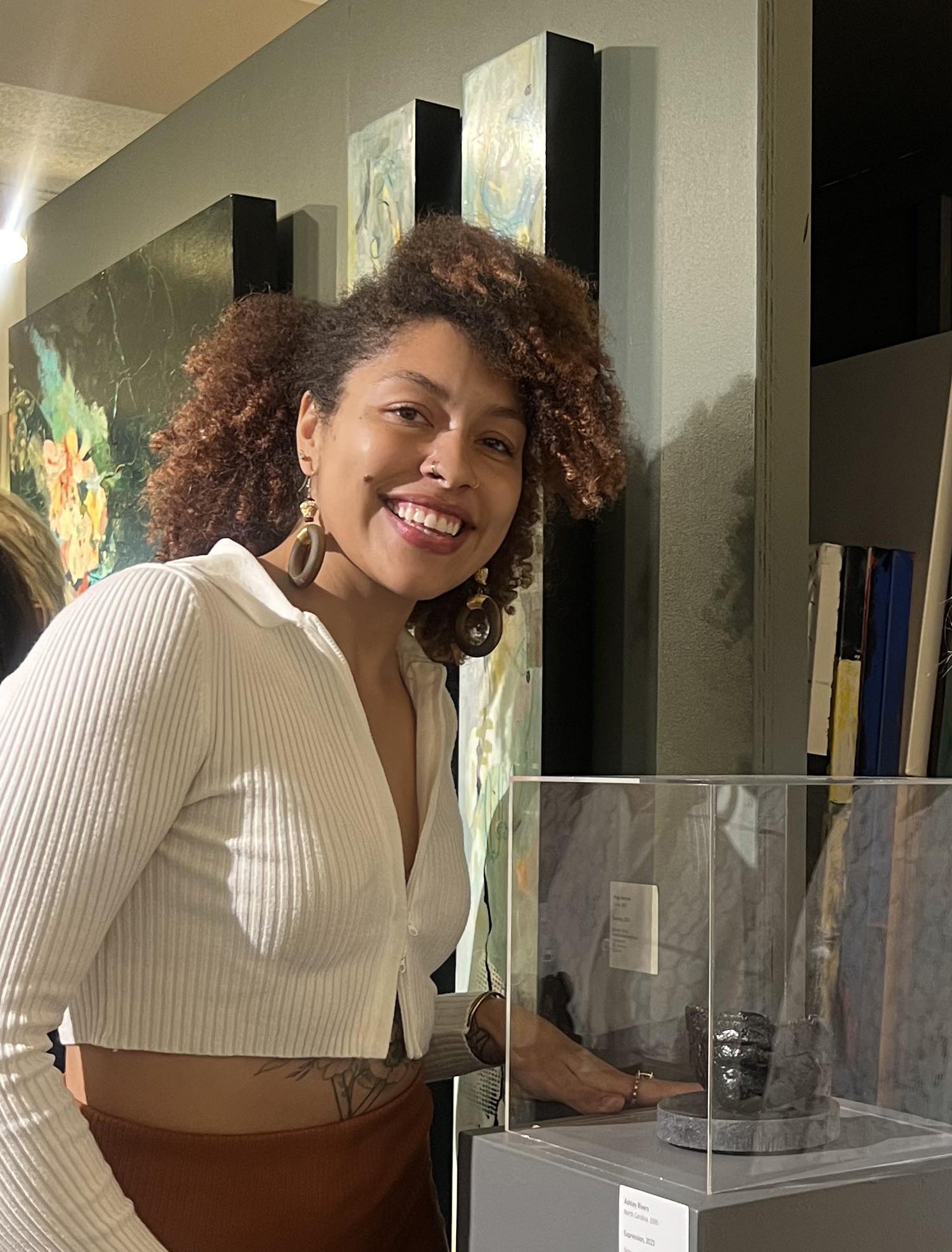
Ashley Rivers | The Nature of Fire

Ashley Rivers is a Contemporary Multidisciplinary Artist living in Gulfport, Florida. Creating unique works of art relating to the natural world and our bodies, Ashley draws inspiration from the earth, our human identities, biology, and ecology. With a background in sculpture and ceramics, her work is centered around the connection we as individuals feel and have towards nature and ourselves.

Ashley Rivers received her Bachelors of Fine Arts, with a concentration in Ceramics/Sculpture, from the University of South Florida. She is a mixed-raced, female artist whose work cultivates a range of mixed methods and imagery, and aims to embrace strength, wellness, and the phenomena of the physical world collectively.

Ashley Rivers has participated in, and curated, numerous exhibitions and large projects within Florida and the Tampa Bay Area. She has received several awards and grants including the 2021 St. Petersburg Arts Alliance Individual Artist Grant, the 2022 Creative Pinellas Emerging Artist Grant, and she was the first recipient of the 2022 Senator Darryl Rouson Artist Grant. She has had artworks exhibited at the African Heritage Cultural Arts Center in Miami during 2022 Art BASEL, won the 2023 Gasparilla of the Arts Emerging Artist Award, won the 2023 Halo Arts Project Fellowship, received the 2024/2025 Arts Impact Fund for Visual Arts from Creative Pinellas, and was one of the Cycle 4 Recipients for the 2024 Gobioff Foundation Microgrants.

I make works from my soul — works that engage with feelings, nature, and emotions. I offer intimate moments inspired by the natural world and our bodies, allowing each viewer a chance at self-reflection and individualized thought about the phenomena of the physical world. My work depicts stages of a journey relating to the natural world and the impact of human activity on its condition- or nature’s impact on us. I start with a simple impulse, and it develops and transforms into something multilayered and indefinable.

(instagram)(website)

Susannah Israel

Activist from birth, Susannah Israel (she/we/us) is an artist, writer and educator on a mission for truth. Israel was born in NY City and raised by a painter and a writer in the Civil Rights era. She studied ceramics with Byron Temple on scholarship to Pratt Art Institute,1972 and earned a B.A. in Art and Chemistry,1987 and M.F.A. in Ceramics, 2000 at San Francisco State University. Her gritty yet passionate view of humanity is drawn from city life.  Her sculptures confront assumptions about race, gender and culture. While teaching at Laney College (2001-2018), Israel  advocated fiercely for all students, taking on advising, writing curriculum and serving as chair, even though she was an adjunct with no insurance. She began writing art reviews in 2000 to support and showcase the talent often excluded by galleries and museums. Israel lives and works in her east Oakland studio and is currently writing her third Afrofuturism novel.

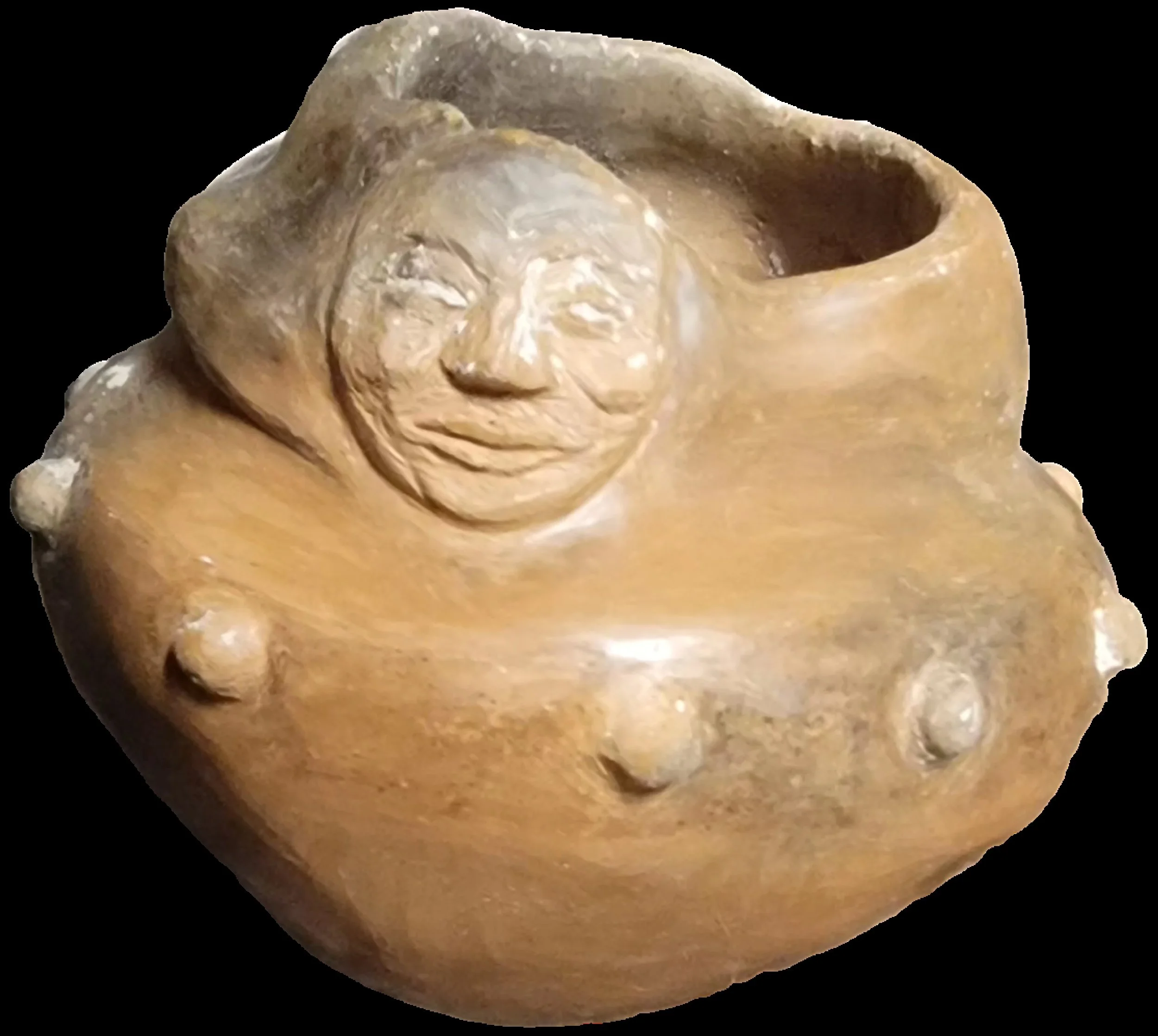
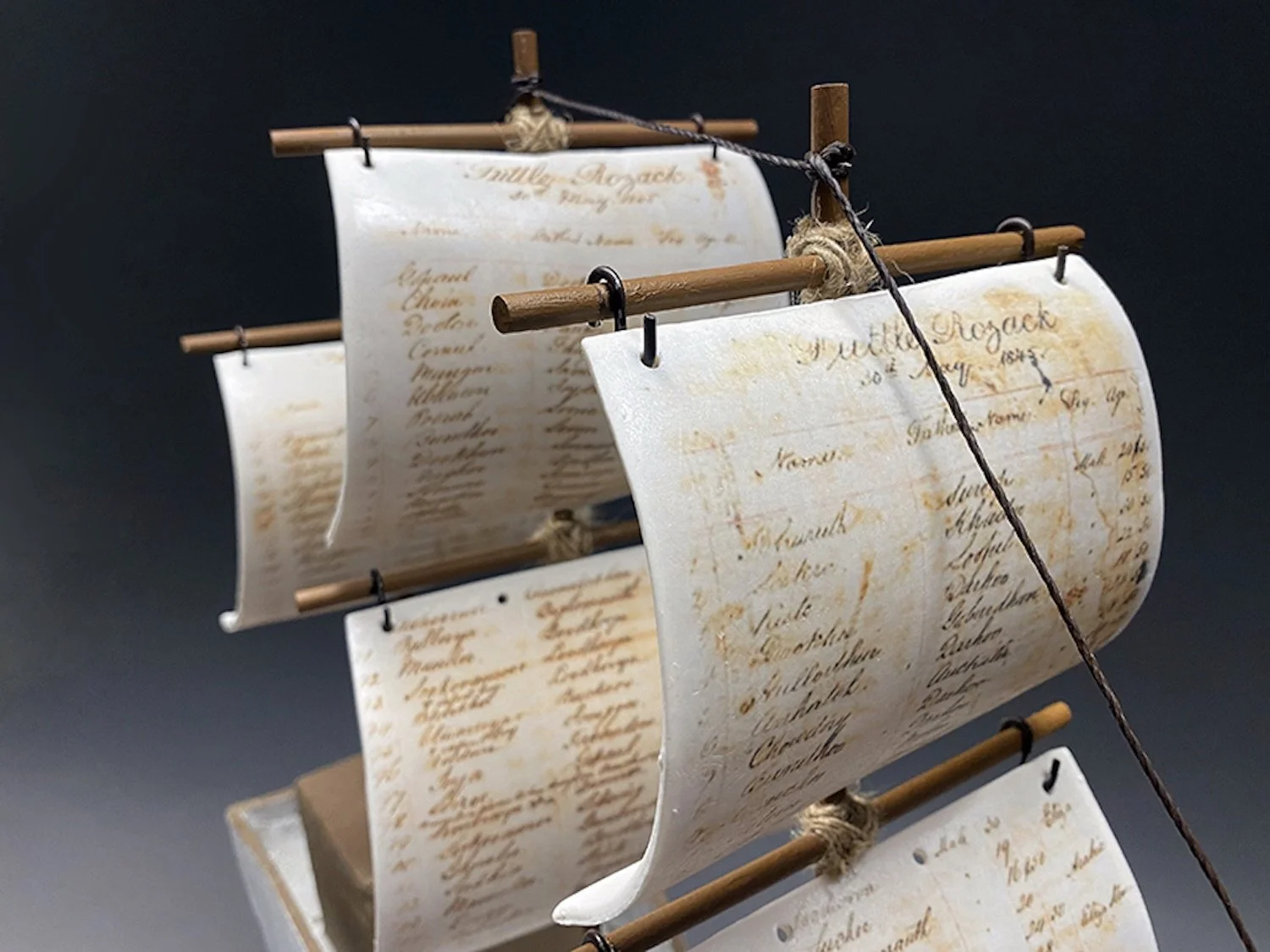
I am a storyteller: I tell stories with words, and I tell stories with clay. Terracotta is my chosen material for the rich color of the natural surface, and I am influenced by red clay traditions from Mexico, the Visayas, Japan and Italy. These images focus on a sited piece, "We are the body, the boat and the water," a story in terracotta about my long life in clay, using three liminal experiences as a resident artist across three decades. The rising waves are a visual metaphor, intended to show how what we do shapes who and what we become. The entire piece is about the importance of communities like the Color Network fellowship. My work is termed expressive and abstracted; I use the figure to respond to themes and issues, which I consider to be the role of sculptors across time and around the world.

(website)

Julie Moon

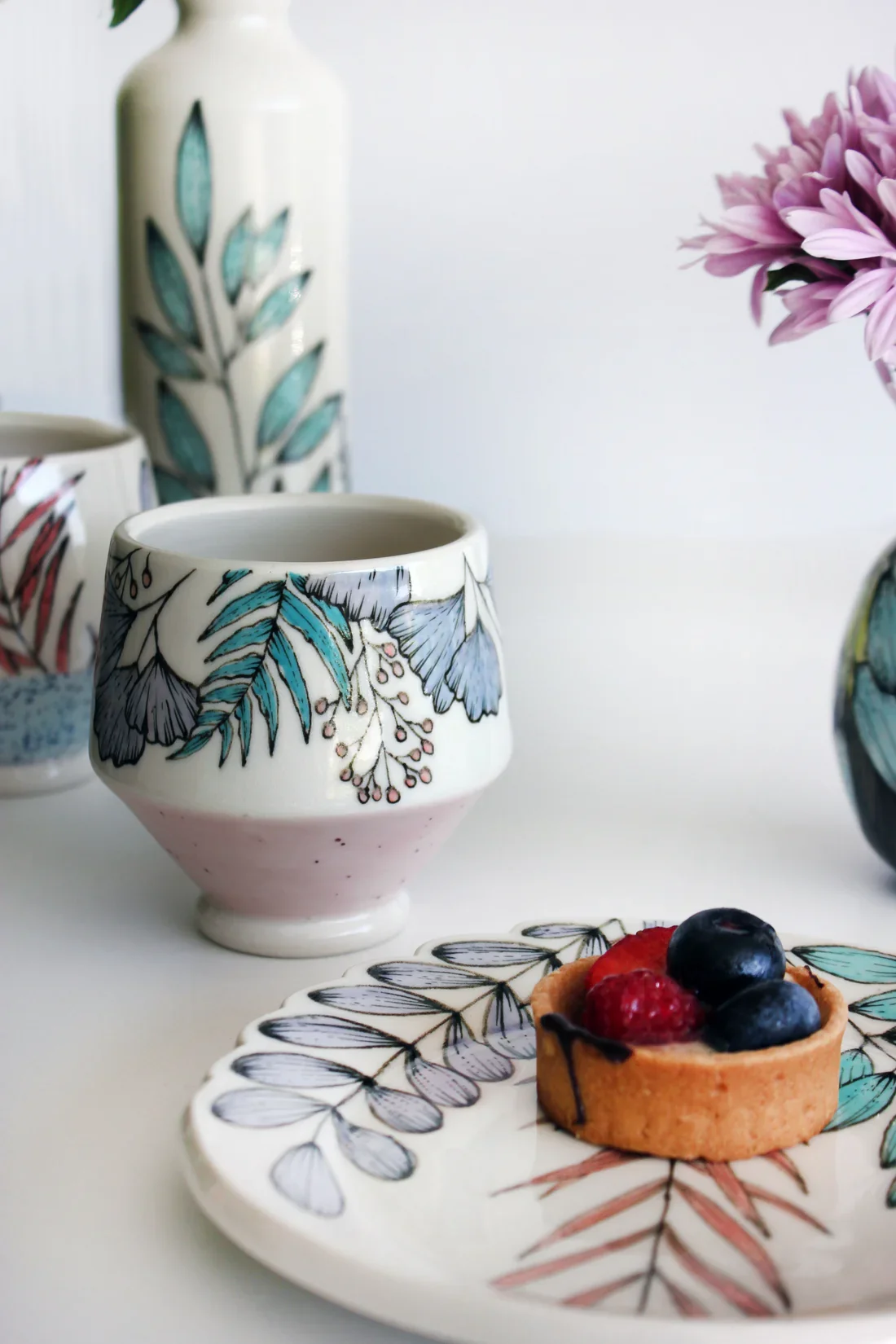
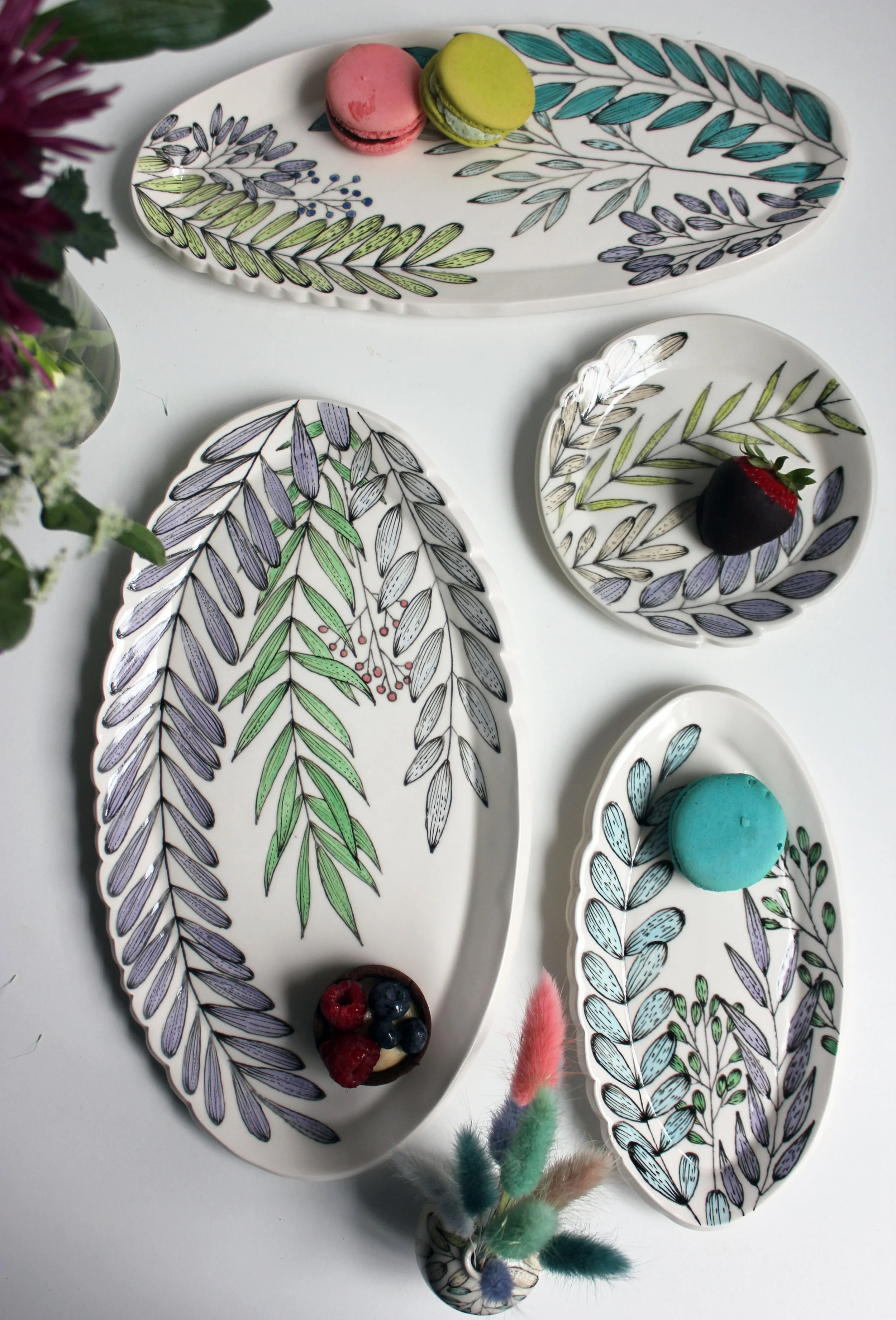
Julie Moon is a Toronto-based ceramic artist. Her practice is deeply connected to the intuitive process of making, allowing subconscious thoughts and geometries to manifest. Ceramics, with its unique ability to capture intricate details and textures, gives voice to her interests in merging elements of shape and surface. Julie thinks of the forms she builds as canvases for surface design, where she explore decorative arts, the language of pattern, and the tension between the organic and architectural, creating works that hover between metaphysical realms and our corporeal world. 

My combination of form and surface are in dialogue with notions of beauty and strength: botanical, organic imagery, often thought of as fleeting and fragile, I represent as sturdy, enduring, and larger-than-life. Similarly, I draw from patterns and motifs that throughout history have been minimized as “ornamental” or “cosmetic,” instead making those elements my focus. In doing so, I not only challenge ideas of the feminine and of beauty, but also reframe the unnoticed, the vernacular, and the non-Western criterion. I wish to engage with my audience by inviting them to reconsider and celebrate unexpected expressions of being. 

Prior to ceramics, I spent over a decade in the garment industry where access to an ever-expanding lexicon of pattern made a deep impression on me. During my BFA at OCAD University, I studied Fibre Arts. This combination of experiences allowed me to explore a vast array of textiles, where patterns have existed for thousands of years, well before the industrial age mechanized the creation process. I found that these patterns have the ability to transform an environment, communicate a personality, express a mood, or symbolize a tradition. Today, I continue to be inspired by the language of ornament, tactile media, and their interplay with the human figure. 

As a racialized artist, I inherently inhabit multiple worlds. I am fascinated by the ability of craft traditions to cross cultural and geographic lines, and I routinely draw from a collective and intergenerational past, offering reinterpretations through my personal language of ceramics.

I have previously studied (graduate school) and have made work (residencies) internationally. Having the opportunity to create in different environments has informed various methodologies in my practice, which, in addition to producing sculptural work, includes teaching and collaborating with designers.

(instagram)(website)

Kaneez Zehra Hassan

Kaneez Zehra Hassan is a Pakistani-American ceramic artist based in Utah, creating hand-built sculptural vessels that explore memory, identity, and repair. Working with coil, pinch, and slab techniques, Kaneez builds textured forms that evoke erosion and fragility. Many are bound with cotton thread, a gesture of quiet mending that honors both vulnerability and endurance. Inspired by archaeological fragments, devotional objects, and functional vessels, their work bridges past and present while reflecting on the diasporic experience. Guided by wabi-sabi philosophy, they embrace imperfection as integral to each piece, offering ceramics that are both contemplative and deeply personal.

Audrey An

Audrey An’s creative research explores the application of digital technologies to ceramics through the lens of convergence—cultural, technological, and interdisciplinary. Reflecting on her bicultural upbringing, moving between the US and South Korea, her work investigates the notion of homes, emotional weight of domestic space and the materiality of memory through sculptural furniture, 3D-printed clay, and hybrid digital-analog processes. Audrey holds an MFA from Penn State University, a BFA from the New York State College of Ceramics at Alfred University, and completed post-baccalaureate studies at Colorado State University. She has recently participated in residencies at the Ceramics Program, Office for the Arts at Harvard; Haystack Mountain School of Crafts; and the Watershed Center for the Ceramic Arts. Her work has been supported by several awards, including the Center for Craft’s Windgate-Lamar Fellowship, the NCECA Graduate Student Fellowship, and recognition as a Ceramics Monthly 2023 Emerging Artist. Audrey currently maintains studio practices and teaches at The Clay Studio in Philadelphia, PA as the Prototyping & Digital Fabrication Studio Manager. She has recently taught at institutions including the Tyler School of Art and Architecture, Massachusetts College of Art + Design, and Anderson Ranch Arts Center.

My work explores the condition of being a 1.5 generation Korean-American, an ‘in-betweener’ who is not quite first or second generation enough. I examine this in-betweenness, the embodiment of emotional oscillation to seek balance. My recent works examine how curation within homes can explore conversations about my transcultural upbringing: moving between South Korea and the United States. Furniture in the domestic space shapes our identity by serving as objects for which memories accumulate. I am interested in how furniture can be used as a means to create a hypothetical space: a space to embrace an emotional state, to reflect on life, and to personify self. By creating objects and artifacts from the past and physically collaging them, I use the act of making as a strategy to investigate self-identity, and ground my sense of belonging.
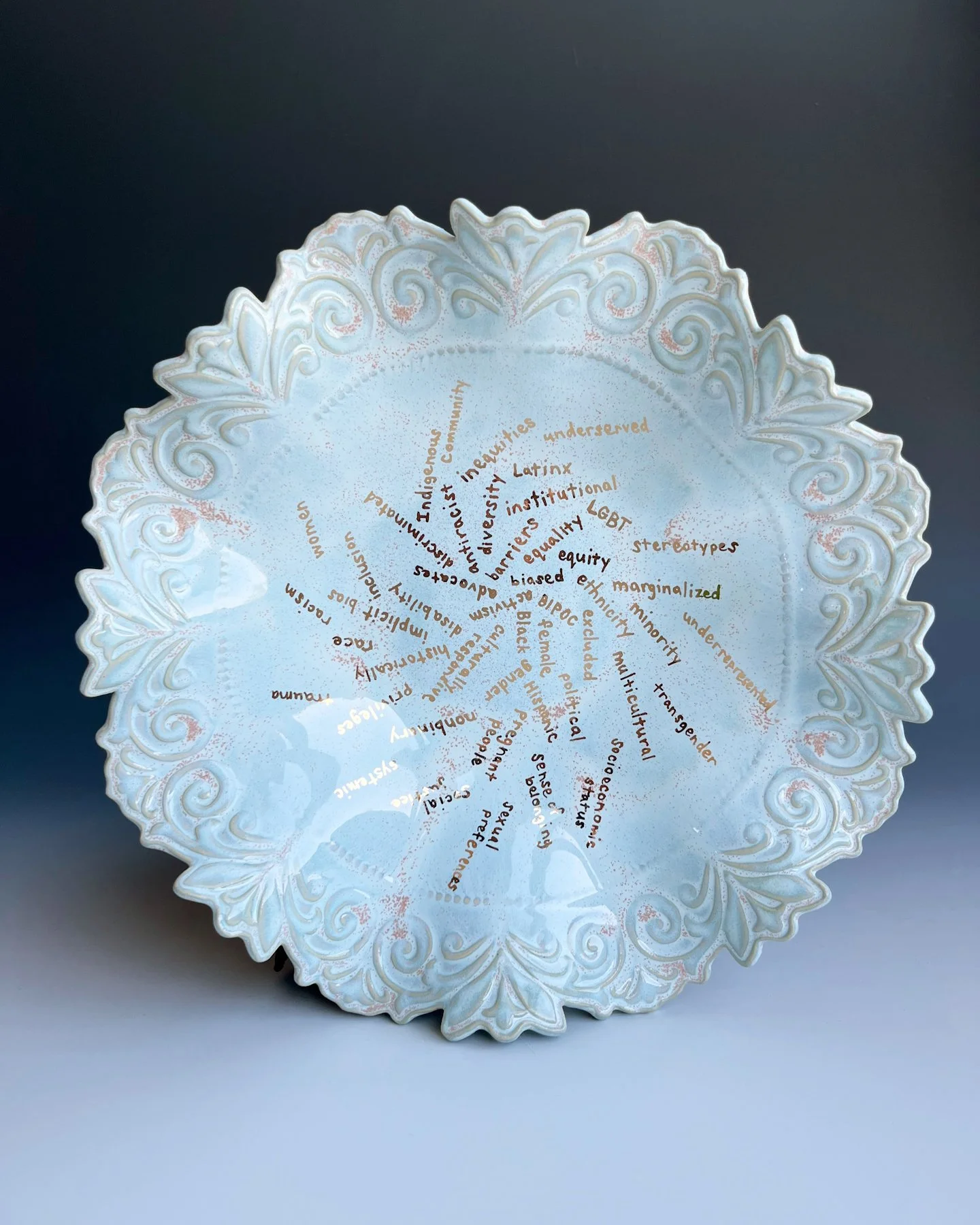
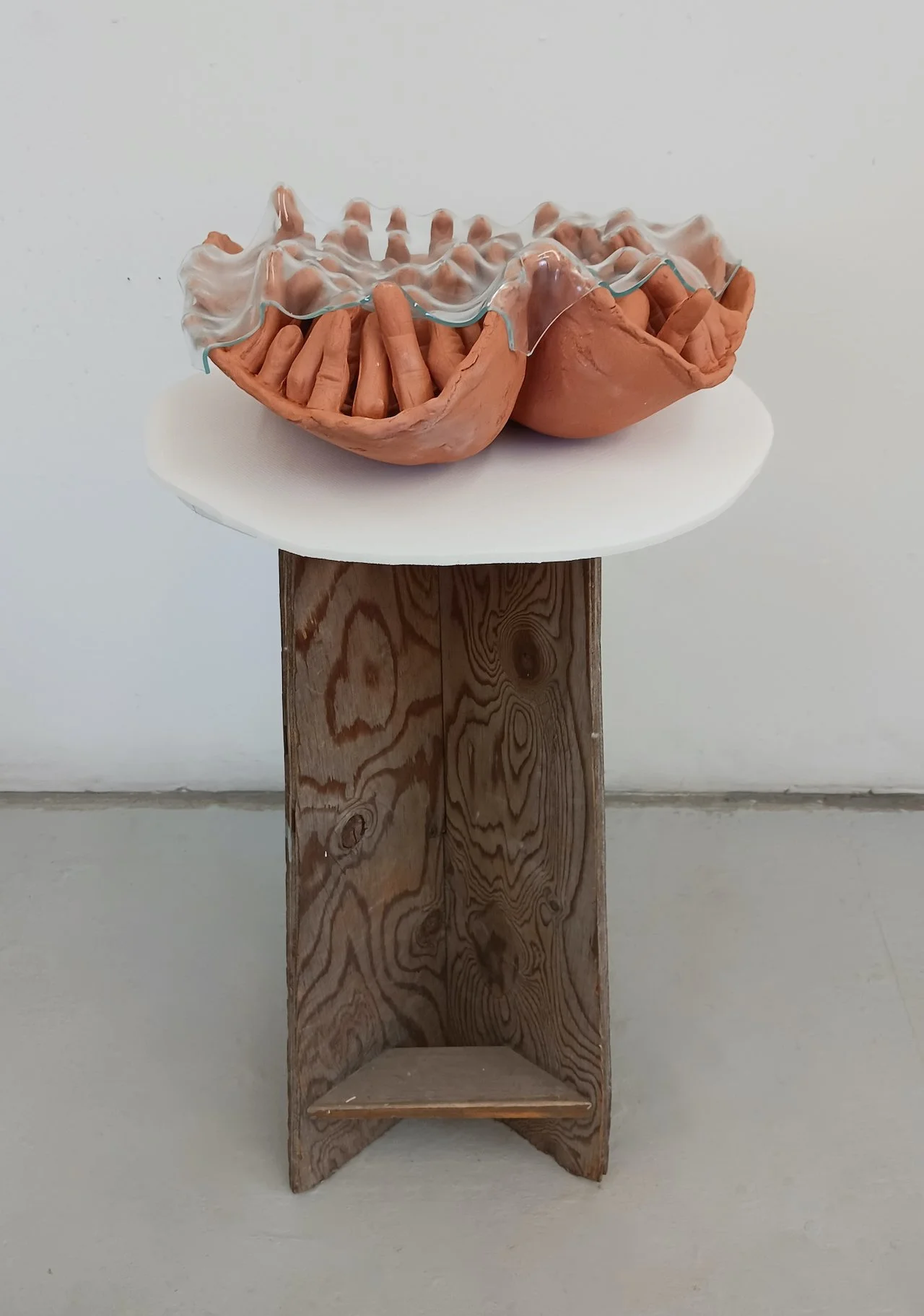
Similarly to the way I move fluidly between two languages I speak, I approach my studio practice as a form of "code-switching" between physical and digital work, as well as between clay and other materials such as plastic, wood and foam. My ‘thought-objects’ are either shaped through analog handling of clay or digital fabrication techniques such as 3D scanning, 3D printing, and CNC-milling to achieve varying degrees of visual aesthetics and resolution. Scaling, copying & pasting, mirroring, and merging & fracturing objects and their randomized mix of organic and mechanized tension reflect the complex and fragmented, but essentially harmonious feelings that transcend the cultural oscillations. I aspire to create reflections of my identity to speak about my experience from the boundaries of cultural convergence. This trans-processing style of making is the reminiscence of the transcultural making of me.

Emily B. Wang

Emily B. Yang (b. 1991) is a Brooklyn-based ceramic and block print artist. She hand-carves blocks to print on paper and porcelain forms to explore the tension between cultural and social expectations, and self-determination. Emily has exhibited at the Royal Academy of Art in London, the Yale School of Architecture, and the Harvard Graduate School of Design Kirkland Gallery. She has completed artist residencies at the Penland School of Craft (twice!), Anderson Ranch Arts Center, and Archie Bray Foundation. She is a graduate of Harvard University’s Graduate School of Design and is a 2025–26 Fulbright Scholar researching block printing and ceramics at Banaras Hindu University in India.

Emily B. Yang merges block printing and ceramics to explore the intersections of tradition, identity, and personal narrative. She hand-carves blocks and prints them onto handbuilt or slip-cast porcelain forms, layering imagery drawn from traditional Chinese porcelain motifs of lineage, care, and longevity with invented symbols and diagrams that reflect her lived experiences and anxieties as she steps into new identities as “artist,” “wife,” and eventually “mother.”

Her process is both physically demanding and conceptually layered. Porcelain—historically a cultural marker of refinement—becomes, in her work, a metaphor for conformity and the impossible standards imposed by self, culture, and society. Printing on its fragile, handbuilt surface is nearly impossible; each impression risks fissures that echo the struggle of meeting those expectations while simultaneously carving out space for her own story.

Ashley Rivers

Ashley Rivers is a Contemporary Multidisciplinary Artist living in Gulfport, Florida. Creating unique works of art relating to the natural world and our bodies, Ashley draws inspiration from the earth, our human identities, biology, and ecology. With a background in sculpture and ceramics, her work is centered around the connection we as individuals feel and have towards nature and ourselves. Ashley received her Bachelors of Fine Arts, with a concentration in Ceramics/Sculpture, from the University of South Florida. She is a mixed-raced, female artist whose work cultivates a range of mixed methods and imagery, and aims to embrace strength, wellness, and the phenomena of the physical world collectively.

She has participated in, and curated, numerous exhibitions and large projects within Florida and the Tampa Bay Area. She has received several awards and grants including the 2021 St. Petersburg Arts Alliance Individual Artist Grant, the 2022 Creative Pinellas Emerging Artist Grant, and she was the first recipient of the 2022 Senator Darryl Rouson Artist Grant. She has had artworks exhibited at the African Heritage Cultural Arts Center in Miami during 2022 Art BASEL, won the 2023 Gasparilla of the Arts Emerging Artist Award, won the 2023 Halo Arts Project Fellowship, received the 2024/2025 Arts Impact Fund for Visual Arts from Creative Pinellas, and was one of the Cycle 4 Recipients for the 2024 Gobioff Foundation Microgrants.

Sarban Chowdhury

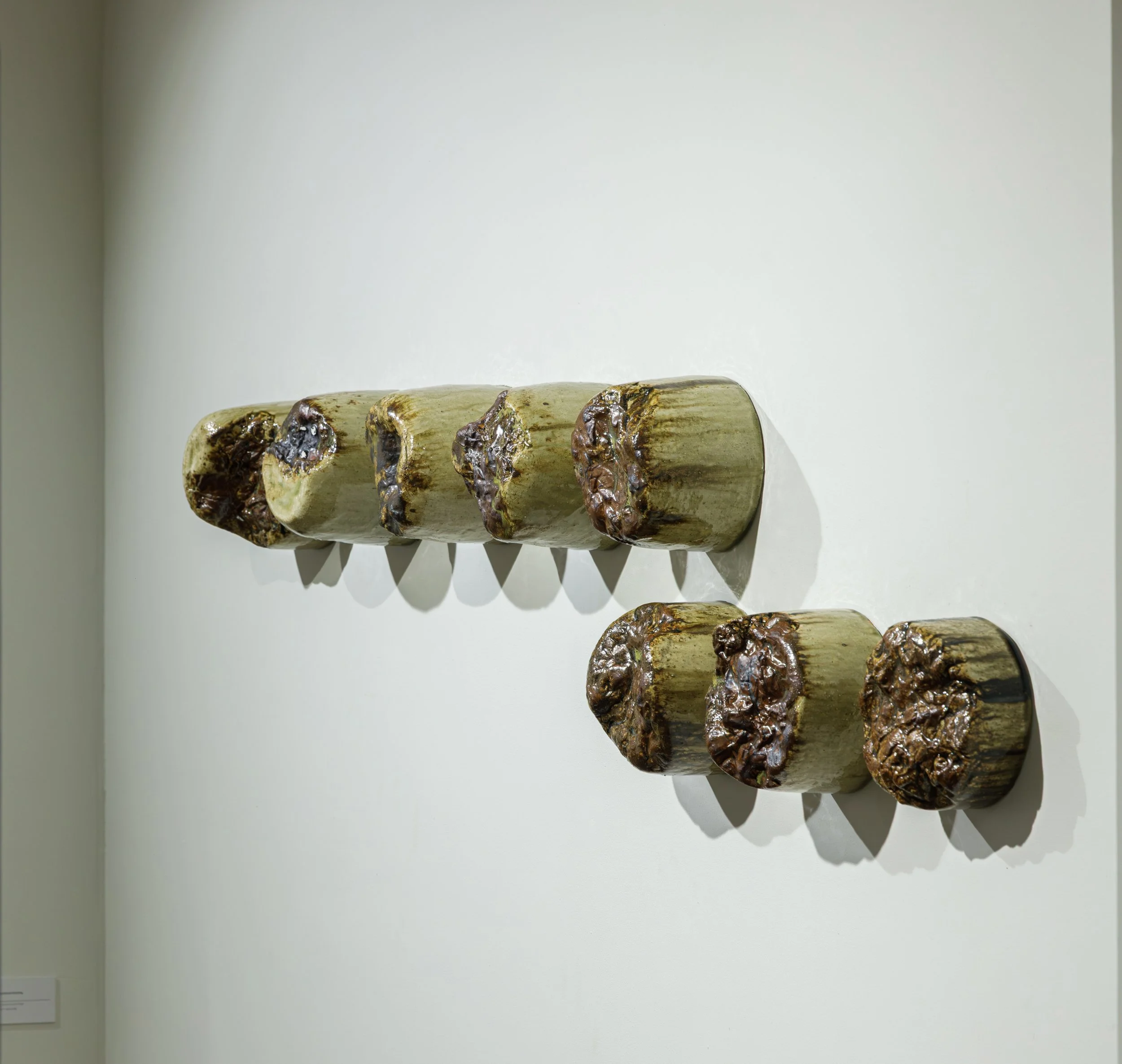
Sarban Chowdhury is a ceramist, designer & educator from India. His practice of working with clay is an everyday learning process where he relates to coping with minor and major failures in life. Ceramics as a medium teaches him to gaze at life from a different standpoint. Sarban's research explores around ecosystem centric values, geopolitical influences and psychoanalysis of the human mind in relation to their surrounding factors. Everything that he examines, observes and experiences around him somehow seeps into his subconscious mind and eventually reflects in his work.

His work presents a visceral understanding of our contemporary world, through the exploration of a wide range of subjects pertaining to personal and collective experience. Fluent in the language of ceramic sculpture as well as painting, he explores form and surface, pushing the limits of the medium through a deliberate layering of constituted and invented meanings. He employs text and visual metaphors in order to extend his satirical commentary on the status of society and the environment, investigating human behaviour within these scenarios. He captures the mundane and complex, often through an autobiographical lens; his worldview embraces death and decay, beauty and vulnerability, anxiety and alienation, acceptance and resilience as they flow with a stream of consciousness through his creations, inviting viewers to become witness to the contradictions of life through his work.

Lucas Pincer-Flynn

Lucas Pincer-Flynn is an artist native to Pernambuco, Brazil,  currently living in Los Angeles. As a child, Lucas learned visual art techniques from their father, including charcoal drawing and oil painting. While helping their grandmother, Maria Clenia, decorate a birthday cake, Lucas learned from their grandfather, Nerivaldo, how to sculpt from sugar.. While the opportunity to work with clay was limited in their home city, Lucas was still able to learn how to make small animal sculptures and take part in the family’s native craft traditions originating from the vibrant city of Caruaru.

By 2016 Lucas moved to Los Angeles, where they developed methods for working with clay rooted in their indigenous traditions learned from Nerivaldo, with clay as an instrument of wordless storytelling guided by the body’s own memory. Since then, Lucas has taken part at the Better Together artist residency at Penland School of Craft, giving them the opportunity to further learn ceramic techniques through exploration and peer learning. 

Currently, Lucas is developing a body of work focusing on their conflicted ancestries and retelling personal and family memories in clay. The artist takes part in monthly shows at Giant Robot in Sawtelle and teaches beginning and intermediate level classes in Santa Monica.

I am a sculptor and ceramic artist native to Pernambuco, in Brazil, currently living in Los Angeles. My art practice is a ritual to connect with myself, my culture, the land and my ancestors. 

I am imagining and building ritual objects and portraits of moments in time of the Kingdom of Abya Yala.

Abya Yala (from the Guna language: 'Abiayala', meaning "land in its full maturity", "land of lifeblood", or "noble land that welcomes all") is one of the native given names of the continent generally known as America. I reject the fragmentation of this continent implemented by the European colonizers, and believe it is imperative that the land is cared for as one, under the guidance of its many native peoples. I call “The Kingdom of Abya Yala” the future of the land as it heals from colonization and is rebuilt by natives and african descendants in harmony with nature.

Storytelling is the driving motivation of each piece I make, whether they portray a narrative or a feeling. As a non-binary trans person, I find it urgent to embrace the inevitability of transitions, in any shape they take, as an inherent aspect of self exploration. Queerness has always been present and celebrated in pre-columbian times, and I aim to represent, honor and remember queer people and our stories.

(instagram)

Deanna Wong

Deanna Wong is a Chinese-American non-binary artist born and raised on Duwamish and Coast Salish land. As a voracious traveling camper and overall gelatinous human, they create functional ceramics and large-scale murals featuring wiggly critter-filled illustrations. At an even five foot tall, Deanna could be described as “just a little guy” and also a “very long yardstick.”

Their vivid colorful artworks have been featured in Seattle Refined and selected for the 2024 Sunny Dayz Mural Festival in Ponca City, Oklahoma, and the 2024 Plaza Walls Mural Expo in Oklahoma City. They have received grants from the Norman Arts Council and the Oklahoma Visual Arts Coalition.

My art practice centers around themes of whimsy and fluidity. It is a celebration of life, a reminder of the importance of sharing joy, and a reflection of our ability to change and shape-shift. The characters that appear in my illustrations are reflections of my way of being and navigating through the world – uncomfortable and odd, yet endearing with an innocent charm. These playful depictions bring attention to the joy and beauty found everyday.

We grow old and forget how to play. I am drawn to clay as a medium for its ability to adapt and conduct itself in the world of play. Clay ties us to the earth. It is dry and brittle, moist and soft, breakable, but strong, and moldable to any form. Imaginative play opens our minds to new possibilities, solutions, and ways of being. In this way, enthusiastic silliness and goof-itude is fundamental to shape a world greater than our own. Love and joy is not only a positive force that we can generate for one another, but also a force that fights against policies of division and hatred. Especially in a society that demands us to work harder and highlights our differences rather than similarities, we require vibrant reminders in the power of soft kindness and change.

As a Chinese-American non-binary artist, I occupy space in between cultures and genders. The categories we assign to our lives provide structure to build our sense of self, but also create boxes to contort to. Being born in America, I was never Asian enough to be Asian or white enough to be American. When I was younger, I spent hours pinching my nose shut so it might grow pointier to resemble my white classmates. Later in life, I also discovered ways I had bent my behavior to suit gender norms. Andrea Gibson writes in their poem, “Andrew”, “… gender is just one of the ways we’re boxed in and labeled, before we’re ever able to speak who we dream we are, who we believe we’ll become, like drum beats ever changing their rhythm.”

My illustrations embrace the fluid discovery of identity while having to wiggle and wrap yourself around the categories and structures that exist. By using gelatinous and flowing critters, I am able to adapt each form to the space available, sometimes resulting in additional limbs or droopy gloopy bits. This fluidity also highlights our ability as critters to adapt, change, and be influenced by our surroundings. The bright bold colors used in my pieces also highlight diversity and celebrate it.

(instagram)

Emmanuel “Kstony” Asamoah

Emmanuel Asamoah, also known as Kstony, is a contemporary ceramic artist born in Kumasi,  Ghana, West Africa. He carries a profound respect for his heritage and the legacy of his  grandmother. Kstony's familiarity with clay and its significance as a daily resource in his  community inspired him to expand its use and pursue a formal education in ceramics. He earned  a B.A. in Industrial Art (Ceramics option) from Kwame Nkrumah University of Science and  Technology (KNUST) in Ghana. Currently, Kstony is a Third-year MFA candidate at the  University of Nebraska-Lincoln, School of Art.

Kstony received the NCECA Multicultural  Award in 2024, and his works have been showcased in multiple exhibitions in both Ghana and  the United States. Notable exhibitions include the upcoming 2025 NCECA Student Juried Show  in Salt Lake City, Utah, 2024 ‘ AKOKOA ‘ Solo Exhibition at Medici Gallery, UNL, 2024 ‘Art  by the Foot’ Center for the Visual Art in Wausau, WI, 2024 – 2nd Ceramic Student Show at  Concho Clay Studio and San Angelo Museum of Fine Art, Texas , 2024 UARK & UNL  exhibition at the University of Arkansas, the 2023 Making History Exhibition at the University  of Nebraska-Lincoln, and the 2023 Circa Symposium exhibition at the University of Colorado. 

His artistic journey is rooted in the desire to honor the materials, heritage, and community  members of Ghana. As a first-generation African immigrant in the United States, Kstony's work  actively shares and celebrates the pride of his life, home, and culture through his art practice.

My work explores history, identity, and materiality through mixed media and ceramics. Drawing from my cultural heritage and personal experiences, I create sculptures and installations that examine cultural narratives, memory, and transformation. I combine traditional hand-building techniques with unconventional materials to challenge  boundaries and tell stories through texture, layering, and contrast. Growing up in Bekwai, Ghana, I was inspired by my grandmother, who used to create functional pots. This early exposure to clay shaped my artistic practice and sparked my passion for ceramics. My work reflects the struggles of daily life influenced by  socioeconomic and cultural systems, and I see art as a powerful tool for change. It allows me to express emotions, highlight humanity, and bring attention to underrepresented voices.

(instagram) (website)

Ross Junior Owusu

Ross Junior Owusu is a Mix-media artist and an educator born in Ghana. He holds an MFA from Wayne State University (WSU) and a B.A in Industrial Art (Ceramic Option) from Kwame Nkrumah University of Science and Technology (KNUST), Ghana.

Ross has been in several exhibitions and Awards including; Finalist for the 2025 Detroit Artist Market Annual Scholarship Awards and Exhibition at the Detroit Historic Museum, Y’akyi Nnwa; Let’s have a conversation, Daum Museum, Missouri, the NCECA Multicultural Fellowship exhibition 2025, Memento nos: Migration and movement in America by the Homer and Dolly Hand Art Center, Stetson university, Florida and the Todd Art Gallery in Mid-south Tennessee University.

Ross is a 2025 John F. Korachis Scholarship Award recipient, the Watershed Zenobia Awardee and the Thomas C. Rumble Fellowship recipient.

My practice spans ceramics, performance, and mixed media, grounded in an exploration of identity, migration, and cultural memory. I am deeply interested in how the movement of people—whether chosen or forced—reshapes both external environments and internal landscapes. Rooted in personal and collective histories, my work investigates how we carry, adapt, and reconstruct notions of self and belonging across shifting geographies.

Clay is central to my practice, not only for its tactile and transformative qualities, but also for its symbolic ties to land, history, and resilience. Its malleability mirrors the experience of migration—the constant becoming, un-becoming, and re-becoming of identity. I often draw from West African symbolism, working with modular or repeatable forms such as scaled-up Krobo bead shapes, which are reconfigured to evoke both architectural structures and emotional states. These arrangements serve as metaphors for self-discovery, reinvention, transformation, fragmentation, memory, and continuity.

My surfaces are activated through expressive glaze techniques—crawl glazes, lava textures, and saturated colors—that function as emotional and conceptual markers. The interplay between geometric repetition and organic variation reflects the tension between structure and spontaneity, inheritance and innovation. I also integrate reclaimed materials and earthy tones inspired by African mud house traditions, emphasizing the enduring imprint of cultural memory and the grounding power of materiality.

My approach is both experimental and intimate, often embracing imperfection and process as a way of speaking to the labor of navigating dual identities and cultural negotiation. As an international artist living between worlds, my work becomes a dialogue—a container for memory, a vessel for transformation, and a site for connection. It invites reflection on what we hold onto, what we let go of, and how we continually shape ourselves in response to place, displacement, and the longing for home.

(instagram) (website)

Micah Sweezie

Micah Lewis-Văn Sweezie is a ceramic artist from Kalamazoo, Michigan. They are shaped and influenced by dichotomous elements of culture and craft from their upbringing in both Vietnam and America. They earned their BFA from The School of The Art Institute of Chicago in 2022 focused in ceramics and sculpture. Micah’s work has been exhibited in group and solo shows nationally, including the NCECA Annual Exhibition. Micah was also awarded as a 2025 NCECA Emerging Artist Fellow and will be a resident artist at The Clay Studio in Philadelphia Fall 2025.

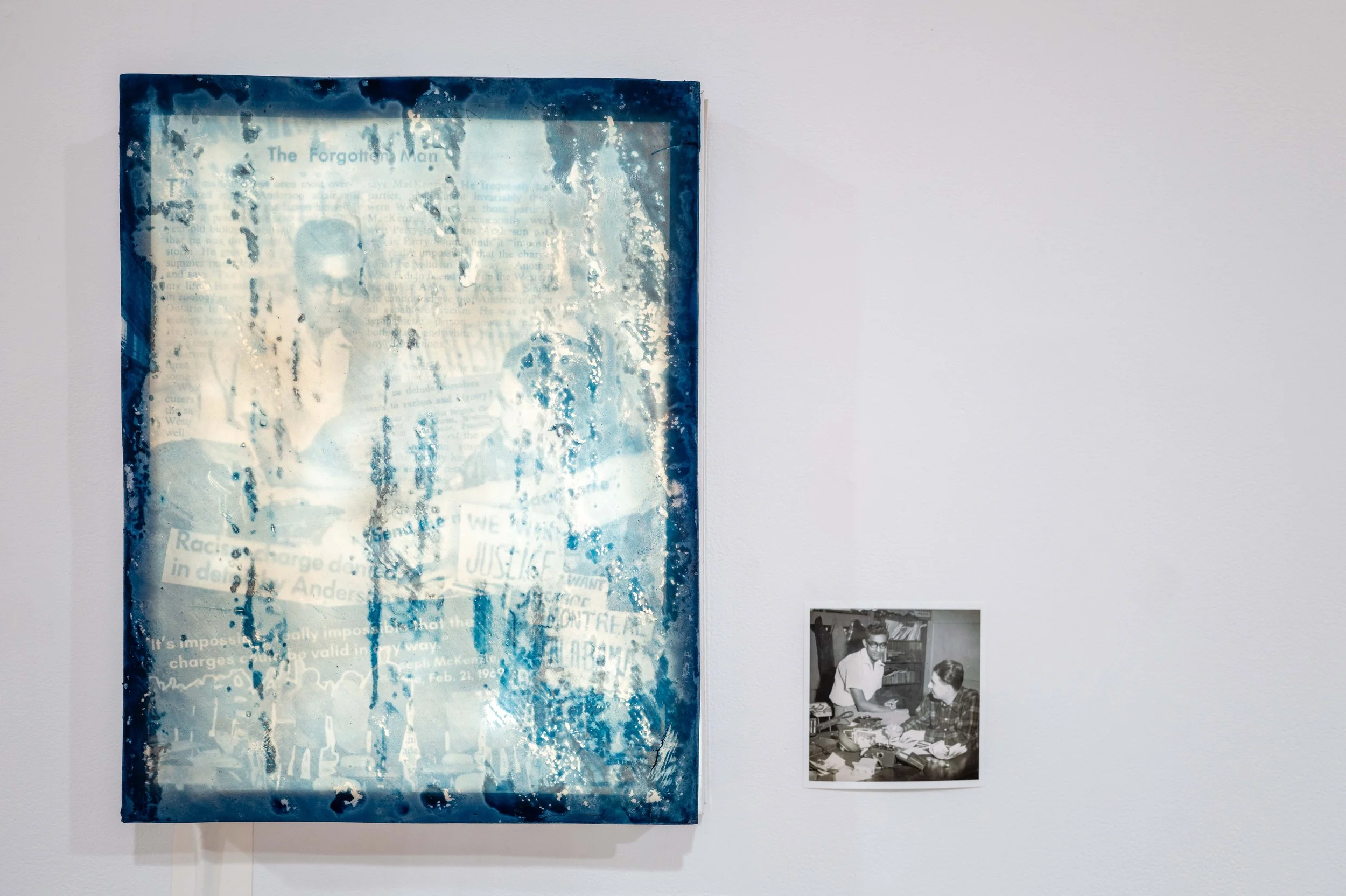
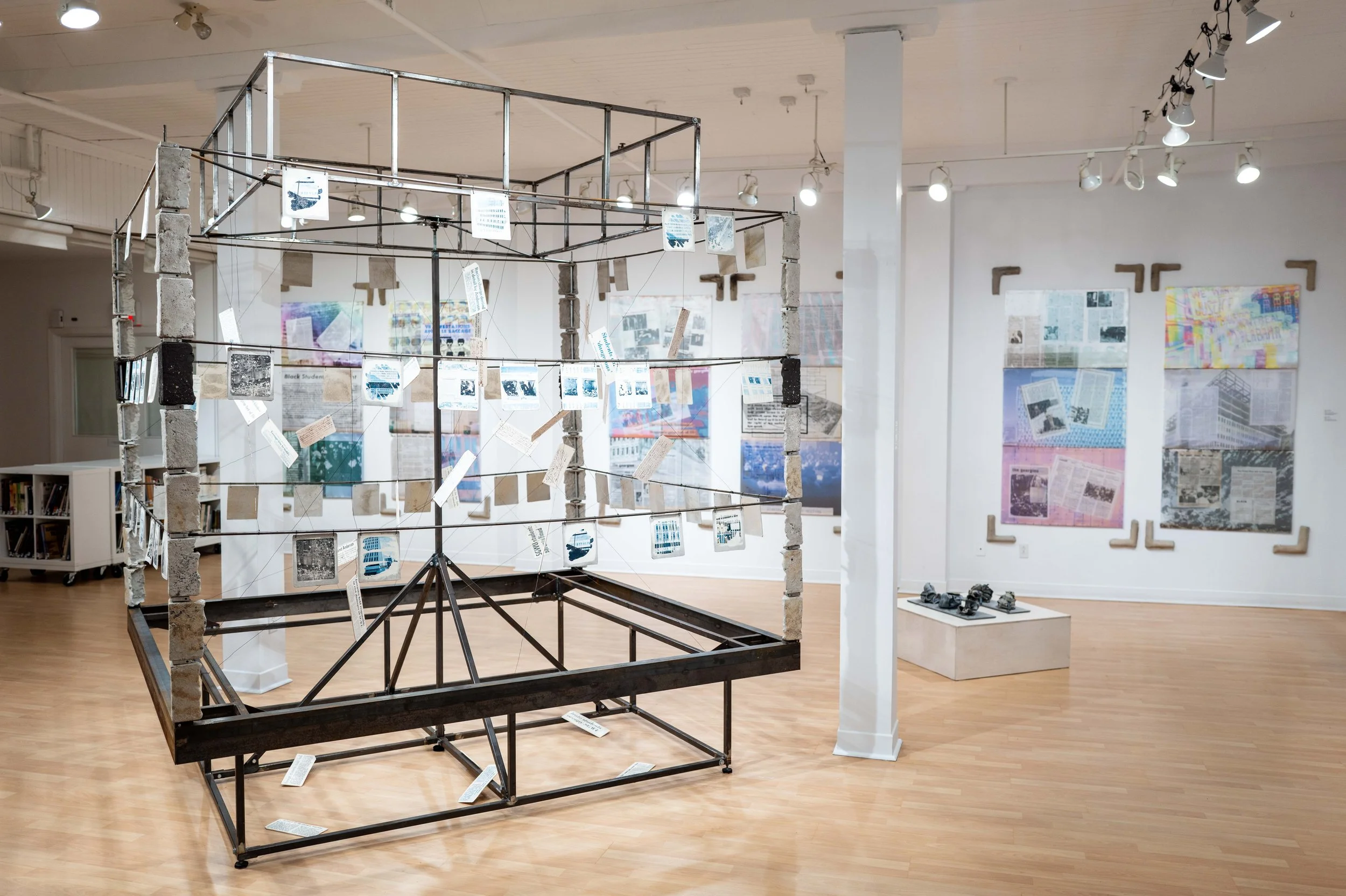
Sweezie produces sculptural works to investigate themes of labor, memory, globalization, and material history. Their practice is heavily informed by historical research and is often inspired by personal ancestral histories. Correlations between human intervention and industrial production are the crux of their work. These correlations broaden realities of understanding around our physical world, product origins, and our relationship to industrialized material. Sweezie utilizes molded and cast forms frequently to question values tied to reproduction and authorship within industry. Material value is also central to their practice. Sweezie employs an assortment of mediums such as porcelain, latex, bronze, and gold gilding. Through these materials, they aspire to reposition suppressed relational histories within global and institutional perceptions.

(instagram) (website)

Sara Sadawi

Sara Sadawi is a Syrian artist based in Montreal. She works in ceramics and mixed media to explore memory, identity, and transformation through familiar forms. Her work reimagines domestic objects with care, humour, and cultural resonance.

I explore memory and cultural preservation through ceramics and mixed media. I’m drawn to everyday objects for the emotions and histories they carry. Inspired by my Syrian background and personal moments, I translate them into forms that feel both familiar and transformed. My work reimagines these objects through sculpture, drawing, and textile. Reflecting on what remains, what fades, and what changes over time.

(instagram)

Athena Calvillo

Athena Calvillo is a Mexican American artist based in San Jose, California, who recently graduated from San Jose State University with a BFA in Spatial Arts. 

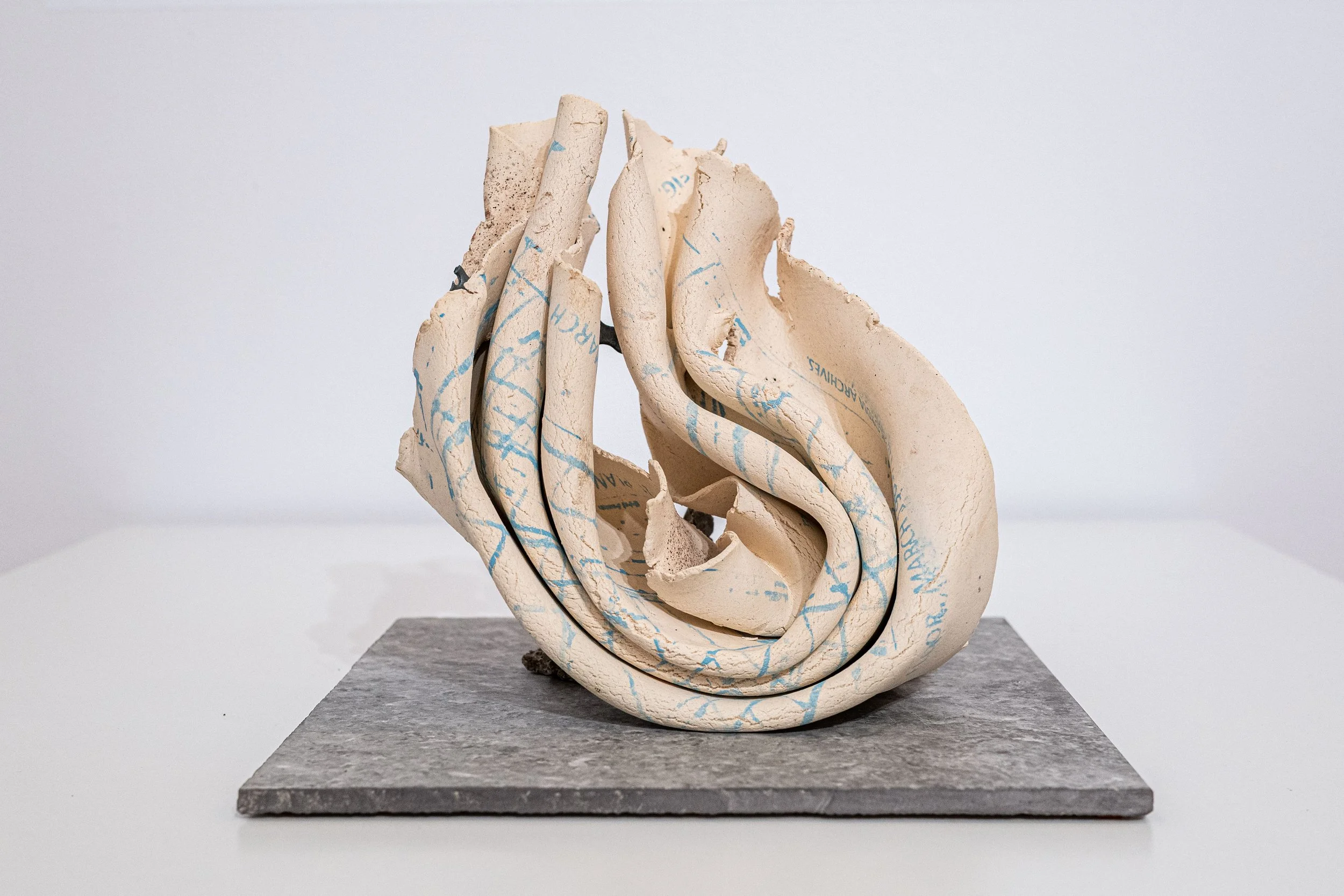
My work is a retrospect of neglect, gender roles and growing up as a brown person. With ceramic in the side car, I examine and dive into the layers of hereditary conditioning. Growing up without structure meant long extensive nights of consuming media that reinforced my wide eyed reality. Piles of scrimped up media, clothing, stuffed animals, and things of childhood value built up and surrounded me like a blanket through the scary parts.

(instagram)

PJ Anderson

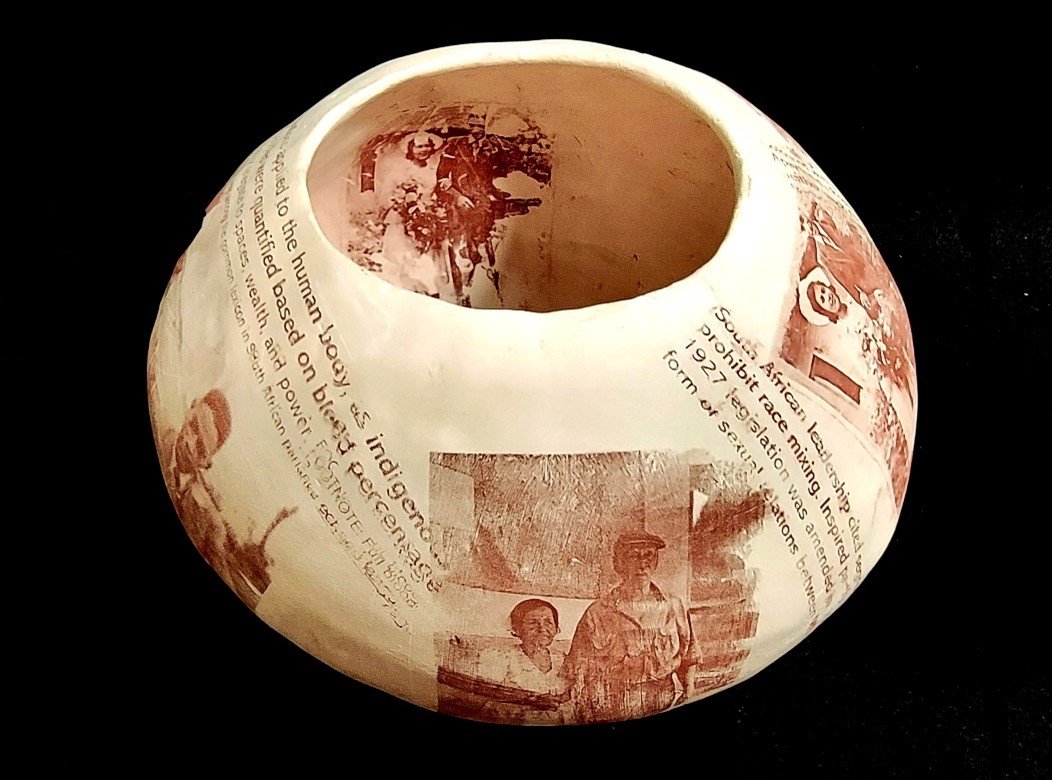
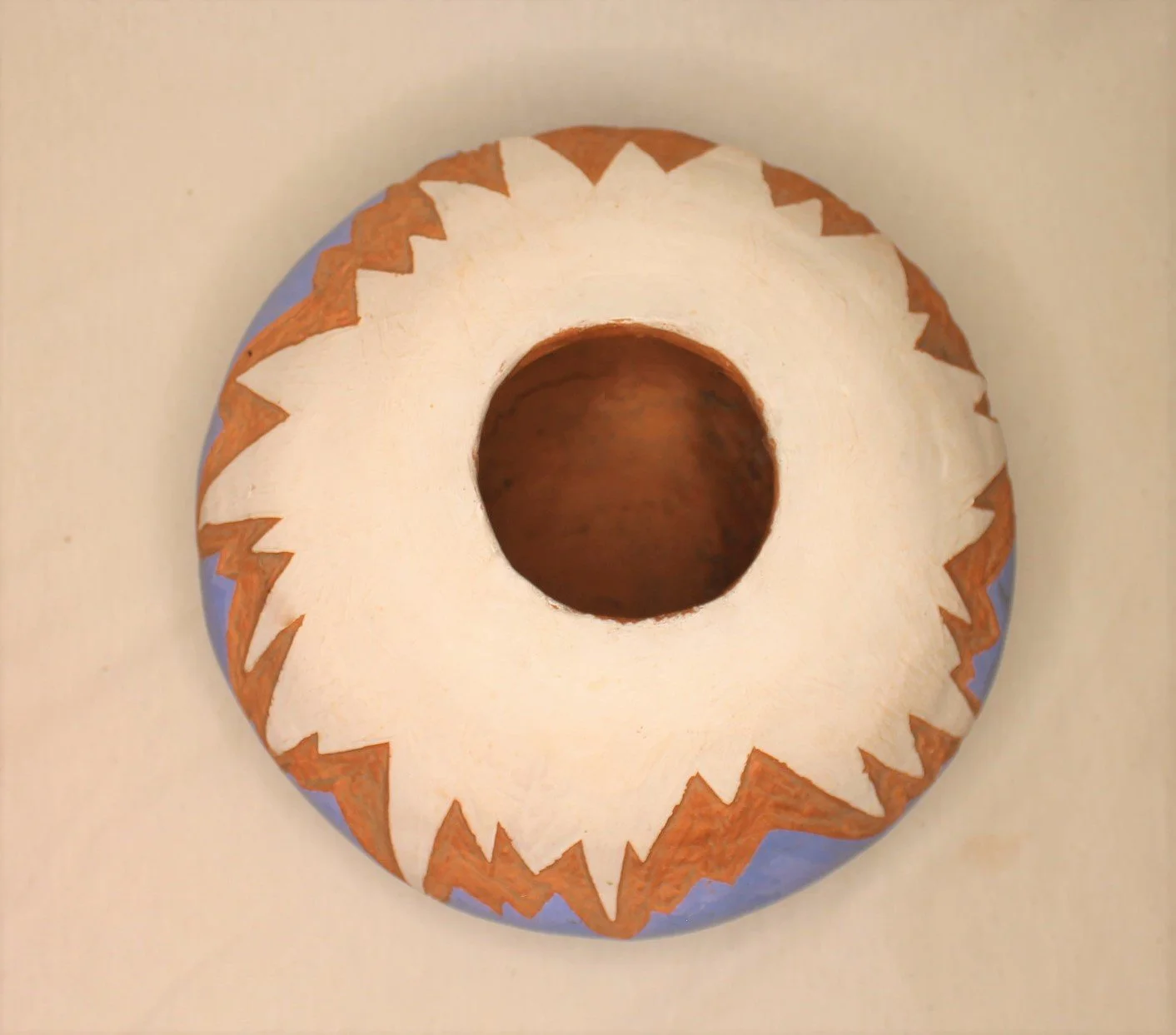
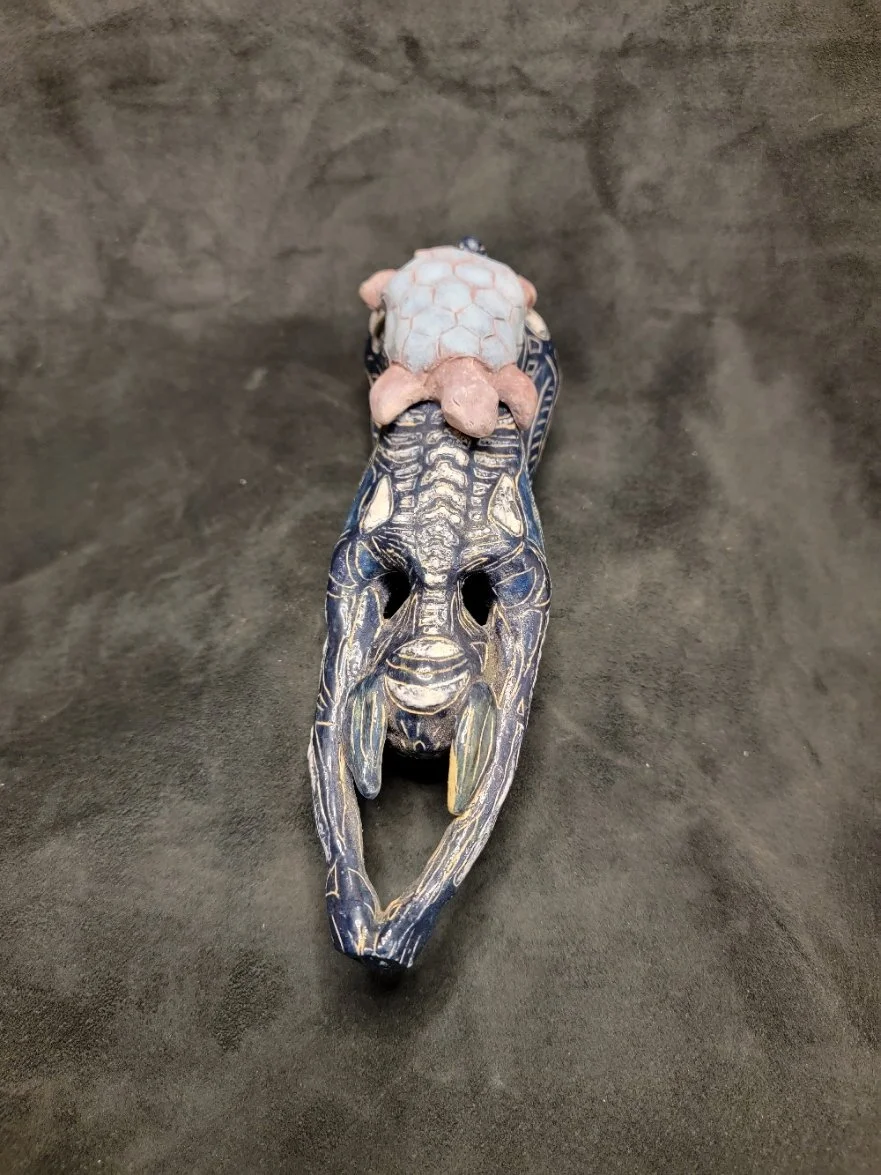
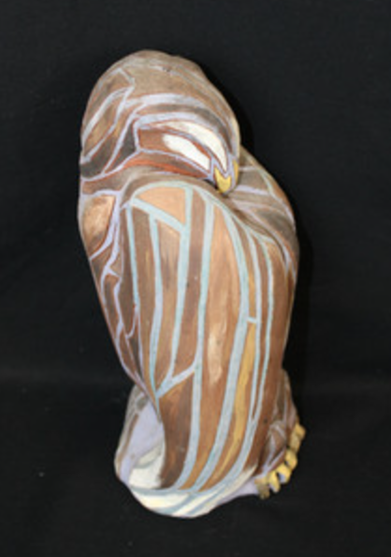
Pj Anderson is a ceramic artist from Thompson, Manitoba, Canada, currently residing in Winnipeg, Manitoba, Canada. Pj has shown Nationally across Canada and  internationally, as Resident Artist at the University of KwaZulu Natal in South Africa, where she had previously visited as a Zulu ceramics researcher, China as a finalist in the International Ceramic Magazine Editors Associations (ICMEA) emerging artist competition, the United States. She teaches at the Winnipeg Art Gallery Studio Program and is currently a graduate candidate at the University of Manitoba and Director at Large for NCECA.

My practice has always been heavily influenced by my interest in traditional cultures use of clay. While much of the current ceramic dialogue has referenced the traditions Europe and Asia, I have been drawn to the ceramic works of Africa and the Americas.  I enjoy exploring methods to push the range of surface a burnished piece can hold. Some of the forms I am currently exploring are exercises in silhouette and negative space. These pieces focus on the relationship between the fire on the burnished surface and the simplified silhouette of these pieces. 

The weaving in addition to the smoke fired ceramics is an extension of the ceramic formation methods. The vast majority of my pieces are coiled, so the addition of the coil weaving is an additional way of using a similar formation of a dissimilar media. They inform each other and are self-referential. Having a solid media like ceramic and blending it with a softness of fibers reinforces the disparity as well as the similarity.  

I’m  a graduate candidate at the University of Manitoba and am currently exploring the role of digital media on cultural, sexual and gender expression and the weaponization of the backlash to those expressions.

— PJ Anderson

(website) (instagram)

Raheleh Filsoofi

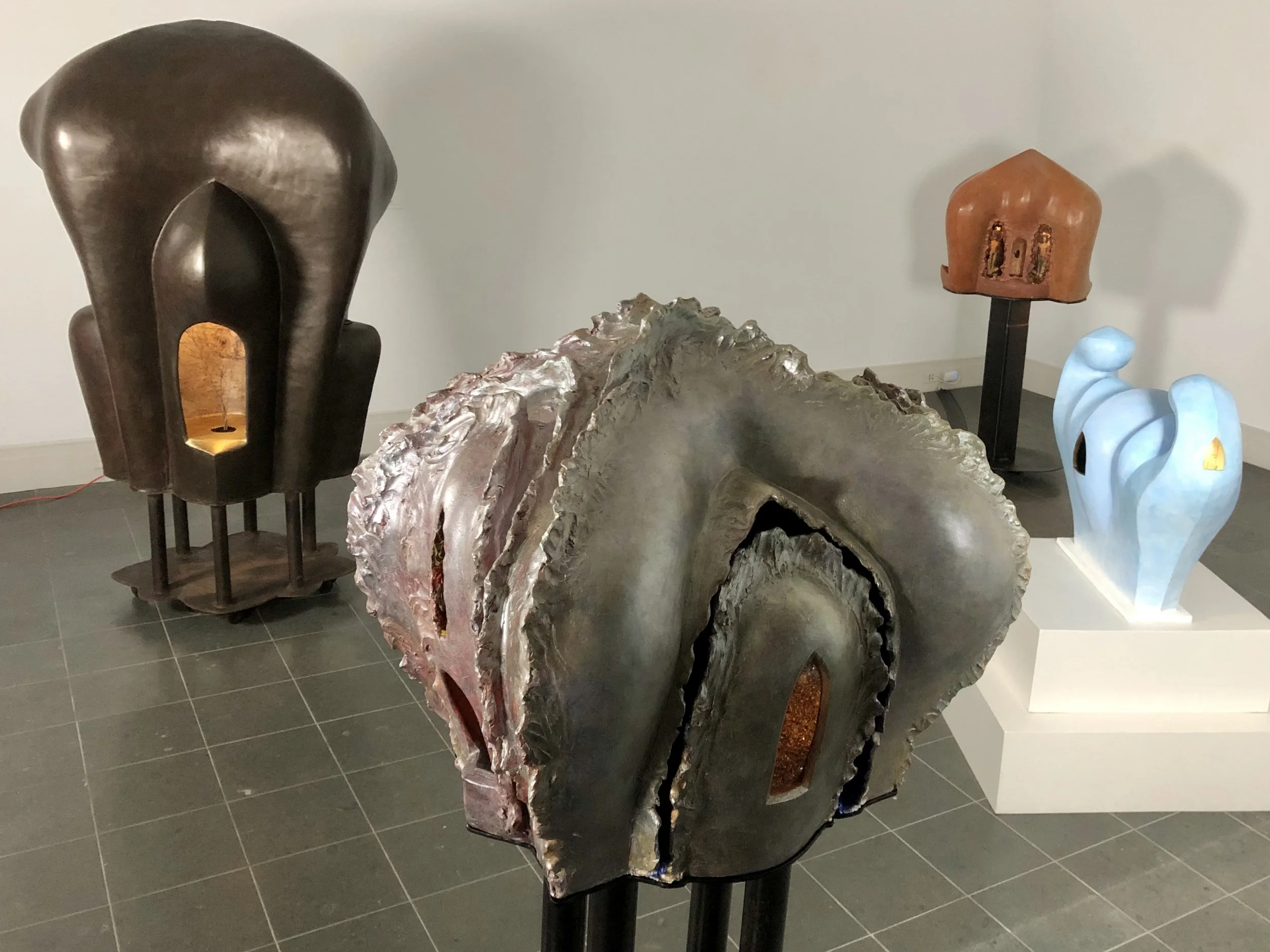
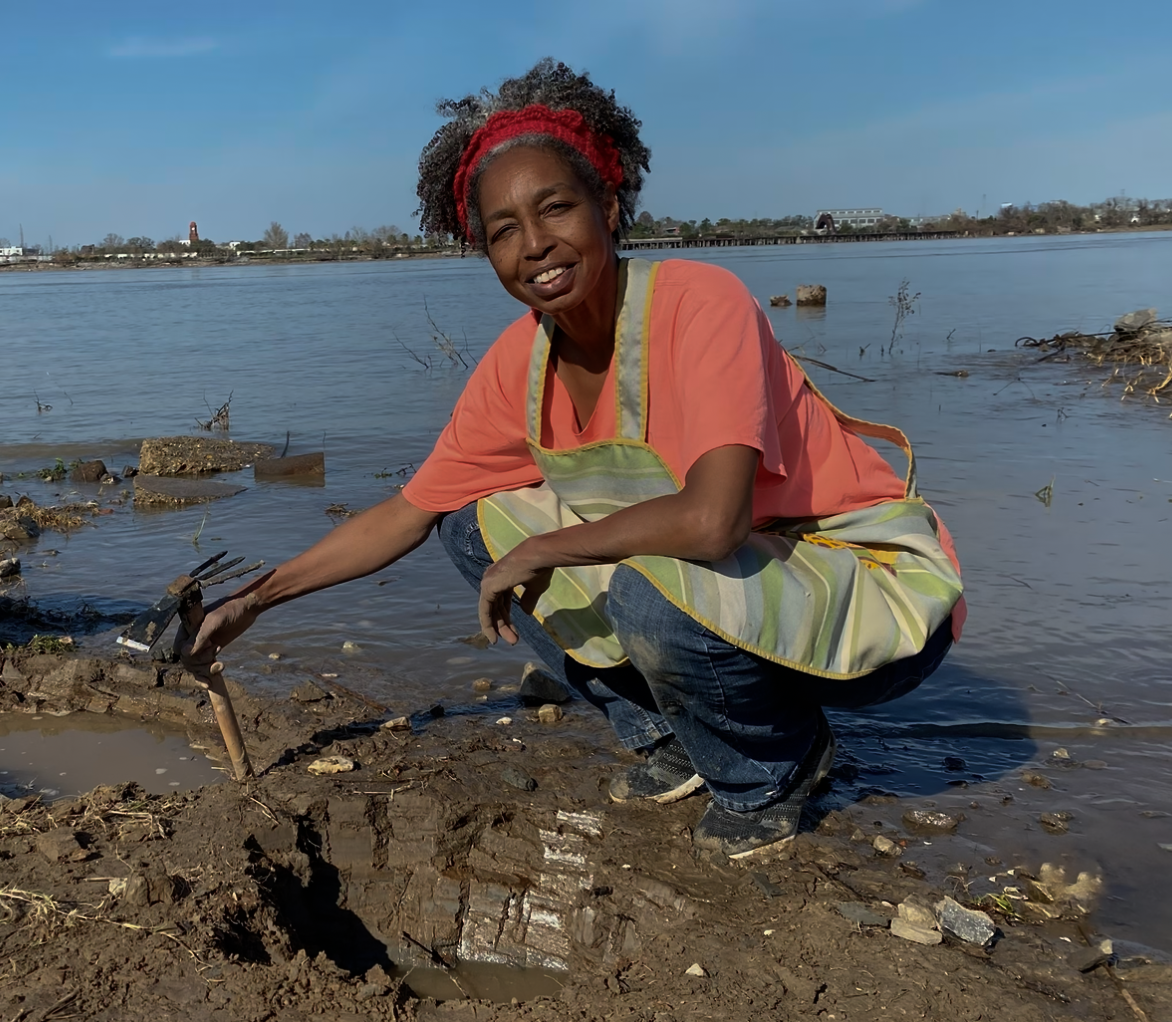
Raheleh is a collector of soil and sound, an itinerant artist, feminist curator, and community service advocate. Her work synthesizes socio-political statements as a point of departure and further challenges these fundamental arguments by incorporating ancient and contemporary media such as ceramics, poetry, ambient sound, and video; aiming for a holistic sensory experience. Her interdisciplinary practices act as interplay between the literal and figurative contexts of land, ownership, immigration, and border. 

Her work has been shown individually and collaboratively both in Iran and the United States. Filsoofi’s ‘Imagined Boundaries’, a multimedia digital installation on border issues, consisting of two separate exhibitions, debuted concurrently in a solo exhibition at the Abad Art Gallery in Tehran and group exhibition (‘Dual Frequency’) at The Art and Culture Center of Hollywood, Florida in 2017.  The installations in each country connected audiences in the U.S. and Iran for few hours in the nights of the show openings. 

She has been the recipient of grants and awards, including the 2021Southern Prize Fellow and South Florida Cultural Consortium Fellowship for Visual and Media Artists.  

She is an Assistant Professor of Ceramics in the Department of Art at Vanderbilt University. She holds an M.F.A. in Fine Arts from Florida Atlantic University and a B.F.A. in Ceramics from Al-Zahra University in Tehran, Iran.  

Work: 

The past several years through my multimedia practice, I have covered a great amount of experiential, geographical, temporal, disciplinary and conceptual ground. These experiences have formed my philosophy in my studio practice and educational curriculum and focused on various issues about the human condition.  I have accessed and negotiated concepts of heritage, place of origin, cultural adaptability, and orientation. My multimedia installations are deeply rooted in my cultural background and my ever-evolving identity as an immigrant, and challenge viewers to examine their own perspectives and beliefs. 

Process:

I utilize different aesthetic strategies by incorporating and experimenting with materials with wide ranges of relevant applications to my subject matter.  Multimedia provides multilayers of perception and interpretation, while each medium plays its own separate role in expression.  Clay is the nexus from which all of my ideas emanate.  It is cryptic, architectural, and the space where sound, video and light are stored to create holistic sensory experiences. Clay establishes inside and outside spaces -- private and public, inclusive and exclusive, and defines all types of boundaries. 

Goal: 

My goal is to create work which speaks to universal human issues. Today’s issues of immigration, borders and cross-cultural communication are interwoven with notions of identity, belonging and inhabitation. I intend for my work to raise questions and promote engagement. I want my art to be an intermediary language shared between individuals, nations, and cultures that speaks humanity.

—Raheleh Filsoofi

(website) (instagram)