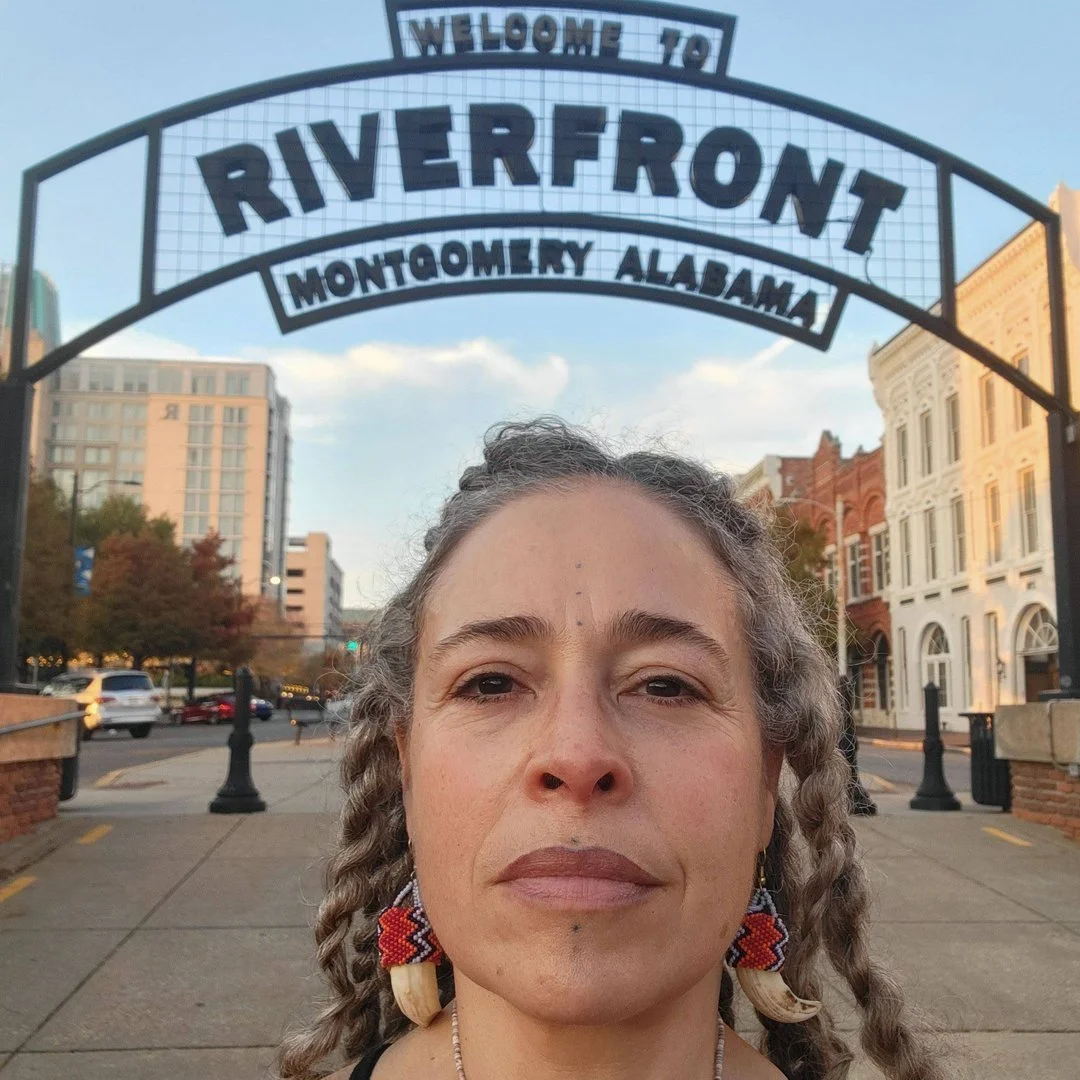
Fileve Tlaloc (Palmer) is a multigenerational, creole-South African-American multimedia artist and anthropologist. Fileve grew up in New York City and studied art at City University of NY in Harlem where she was able to explore her love of history, culture, and art. Fileve worked as a high school history teacher in East Harlem before pursuing her doctorate at Indiana University - Bloomington. Her dissertation focused on Post-Apartheid Identity of mixed race youth. Her research was supported through funding as a Rotary Ambassadorial Scholarship as well as a Fulbright-Hays Dissertation Fellowship where she used photography as a tool to unpack South African political, cultural, and racial dynamics. Fileve has used her anthropology research to fuel her ceramic work that captures human existence and narratives through representation of the animal bodies and vessels using cultural symbols to reflect collective and individual political relationships. Her work speaks to the emotional and physical condition of human struggles between power and peace, injustice and freedom, and the intersections of race, geography, and nature. Fileve’s creative work has been supported through the New York Council of the Arts grant opportunities and most recently was the inaugural recipient of the Southern Finger Lakes Fellowship provided by the Arts Council of the Southern Finger Lakes. As a multicultural, multinational, and multiracial person, Fileve journeys into material experimentation linked to indigenous practices to question the malleability of identity, Fileve uses her anthropological training to engage the public through exhibits, artist talks, and teaching social sciences at the University of Pittsburgh in Bradford PA. Her artistic skills communicate through visual representations that explore the facets of the human experience through the examination between historical moments and memories of the subaltern who are often overlooked. Fileve lives in the Western New York woods cultivating a life of reciprocity that enables her to engage observation of the natural world allowing for constant learning and creating.
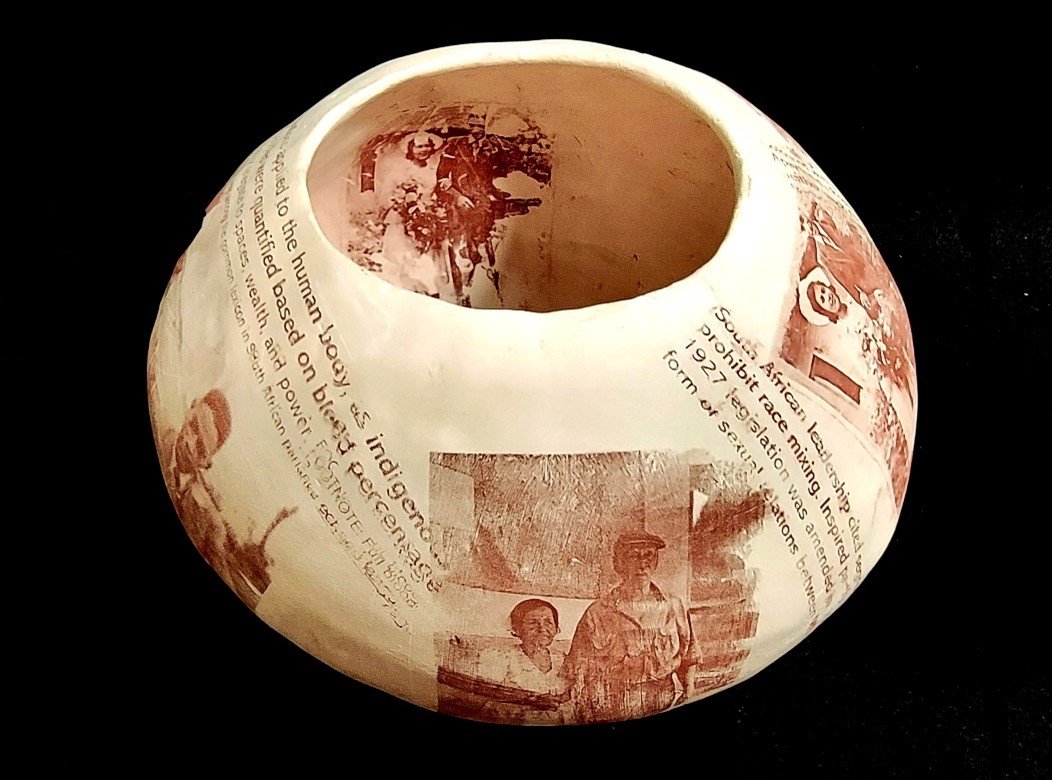
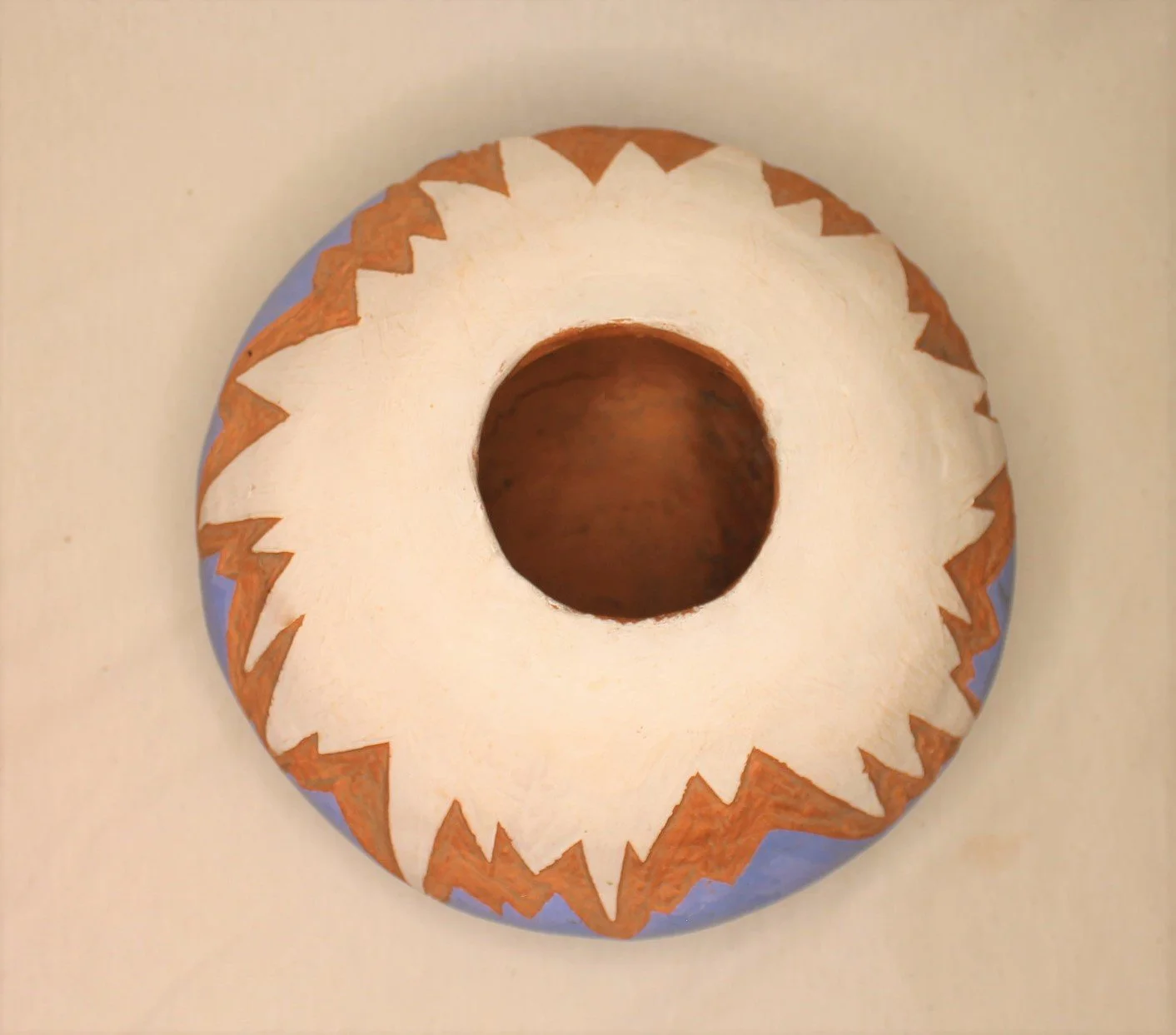
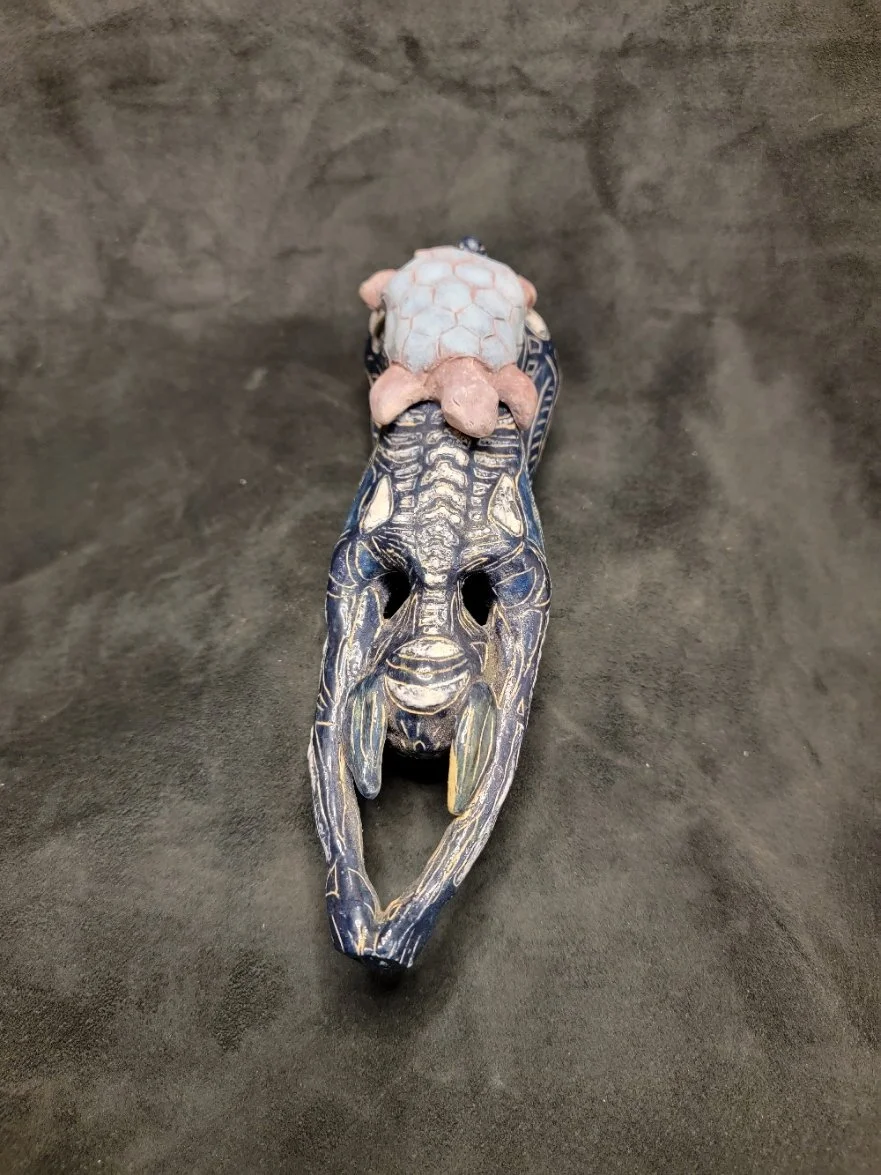
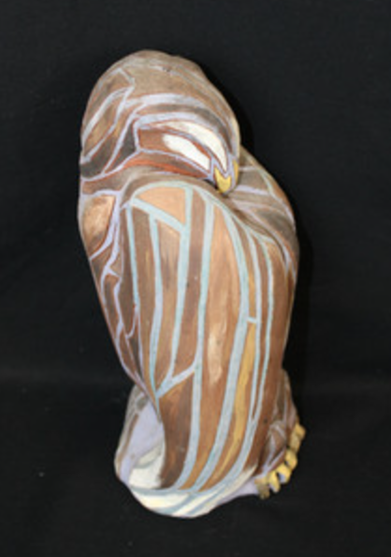
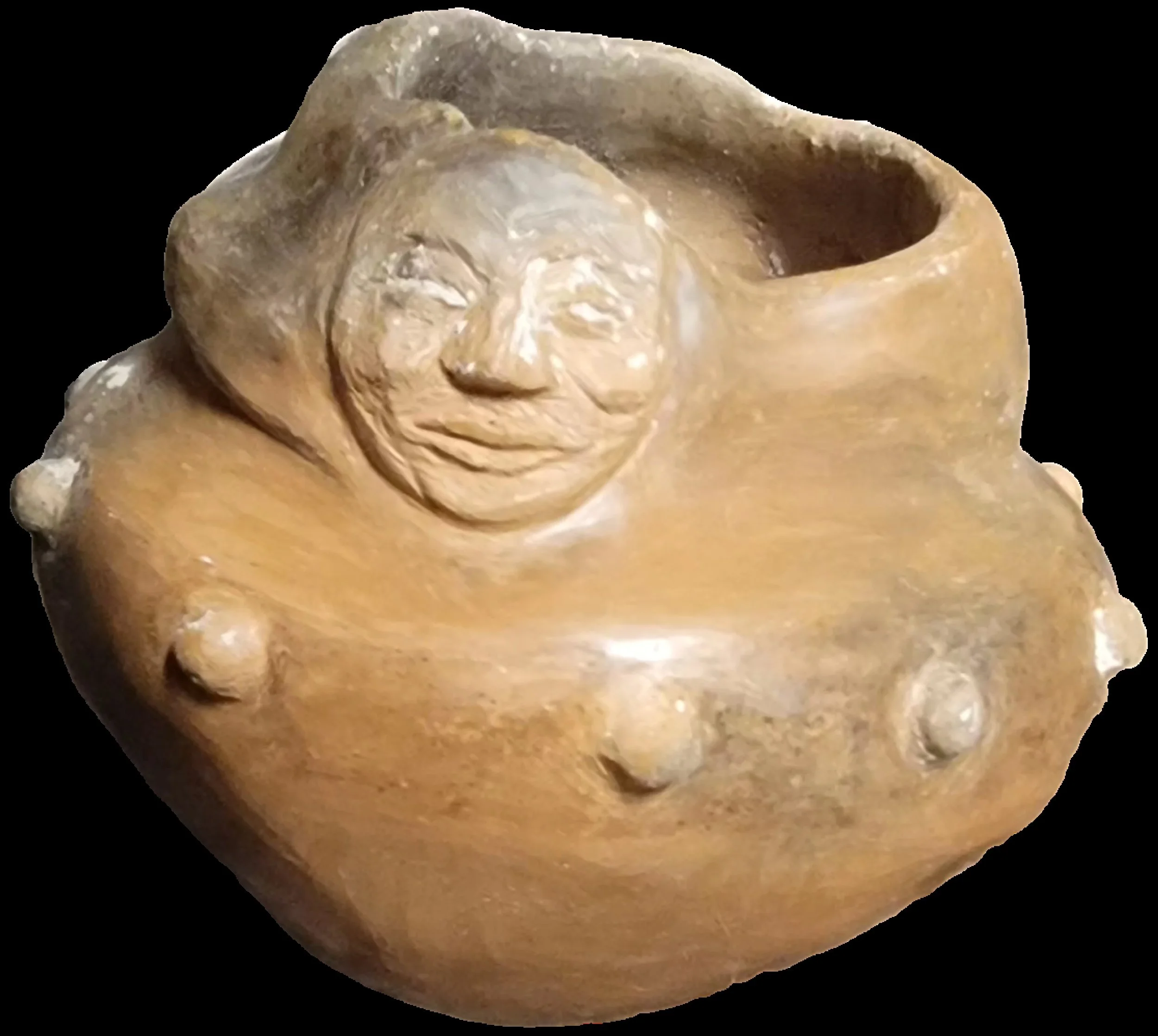
The ideology that permeates my work is "Re-indigenization" in an effort to decentralize colonization (decolonization) and align with indigenous values, knowledge, and ways of being (re-indigenization). Based on the symbols, materials at play, and my personal relationships and experiences this philosophy fills the work I create. From adding beadwork to paintings, framing them with animal hides, and juxtaposing contemporary symbols of "Techno sapiens" and the natural world, to recreating ancestral amaZulu ceramic vessels and firing family and historic photographs alongside my doctoral research on to the clay represent a "re-indigenized" practice.
I take an interdisciplinary approach to art and scholarship that blend seamlessly into regular, disciplined practice leading to successful projects. My goal is to broaden people’s understanding of literacy and remind people of the importance of art throughout time in communicating philosophical, historical, and emotional subjects, especially among indigenous people. The work is at the crossroads between craft, social science, biography, and social justice. It is a call to action; to bring forth the injustices of classifications and legal structures that segregate and oppress human beings. My work aims to dismantle white narcissism and misogyny, show that history and language matter, and that multivocality is essential to humanize all people in the face of exploitation.