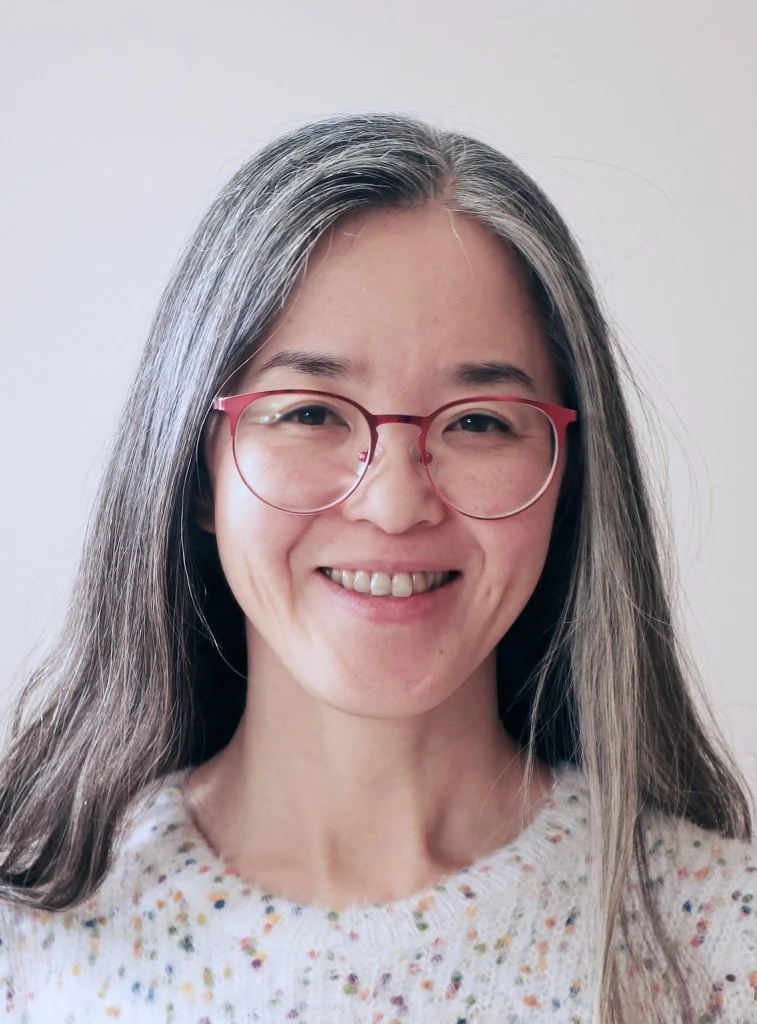
Tomo Ingalls is a Japanese clay and performance artist based in Medicine Hat, Alberta, Canada. Initially trained as a potter, she worked as a production potter before pursuing her graduate studies at the Alberta University of the Arts. Her embodied knowledge of making through movement continues to resonate throughout her sculptural practice. Since completing her MFA, her work has been exhibited in Canada, the United States, and Greece. She has participated in residencies at Medalta, the Vermont Studio Center, the Anderson Ranch Art Center, and the Haystack Mountain School of Crafts. In 2023, she was named an NCECA Multicultural Fellow.
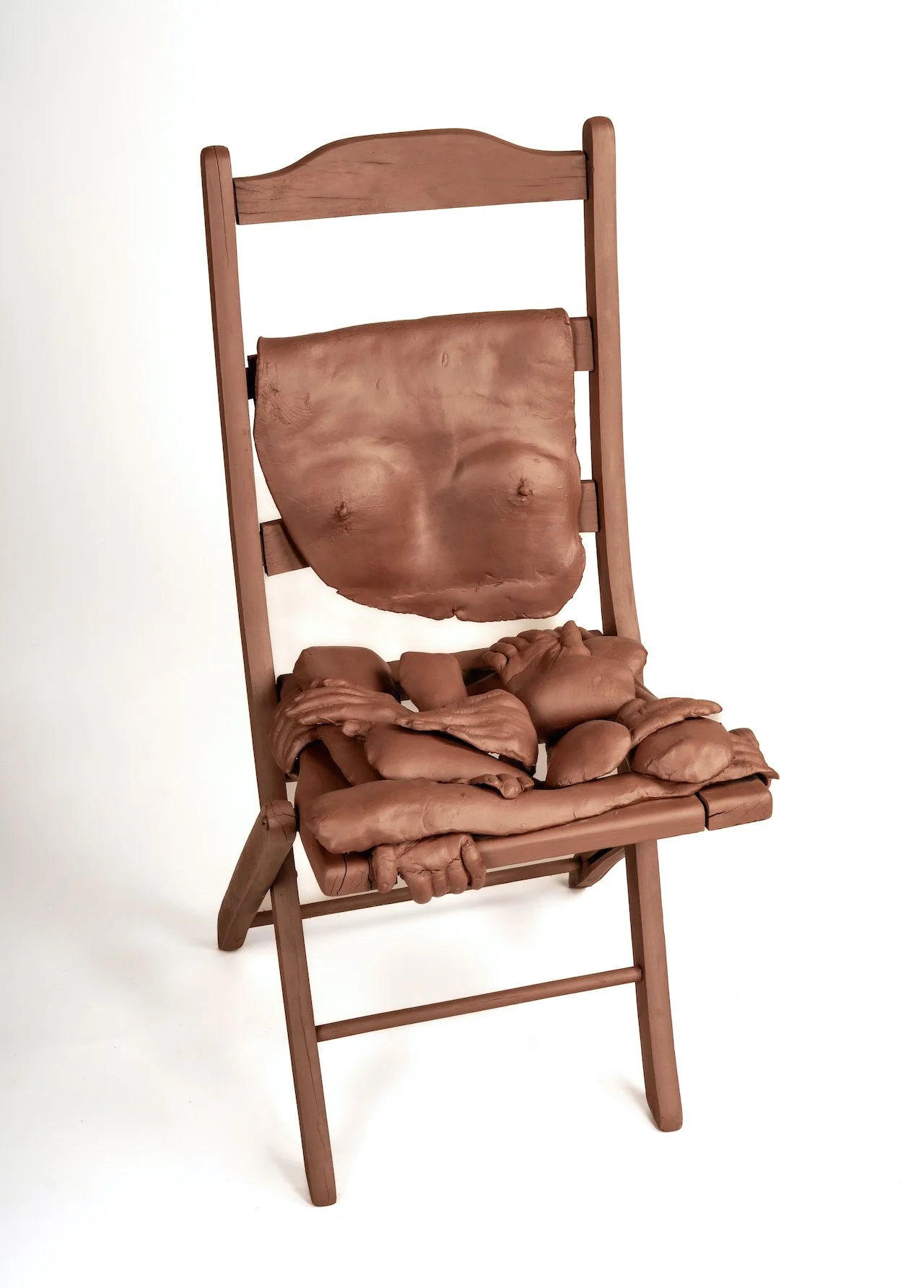
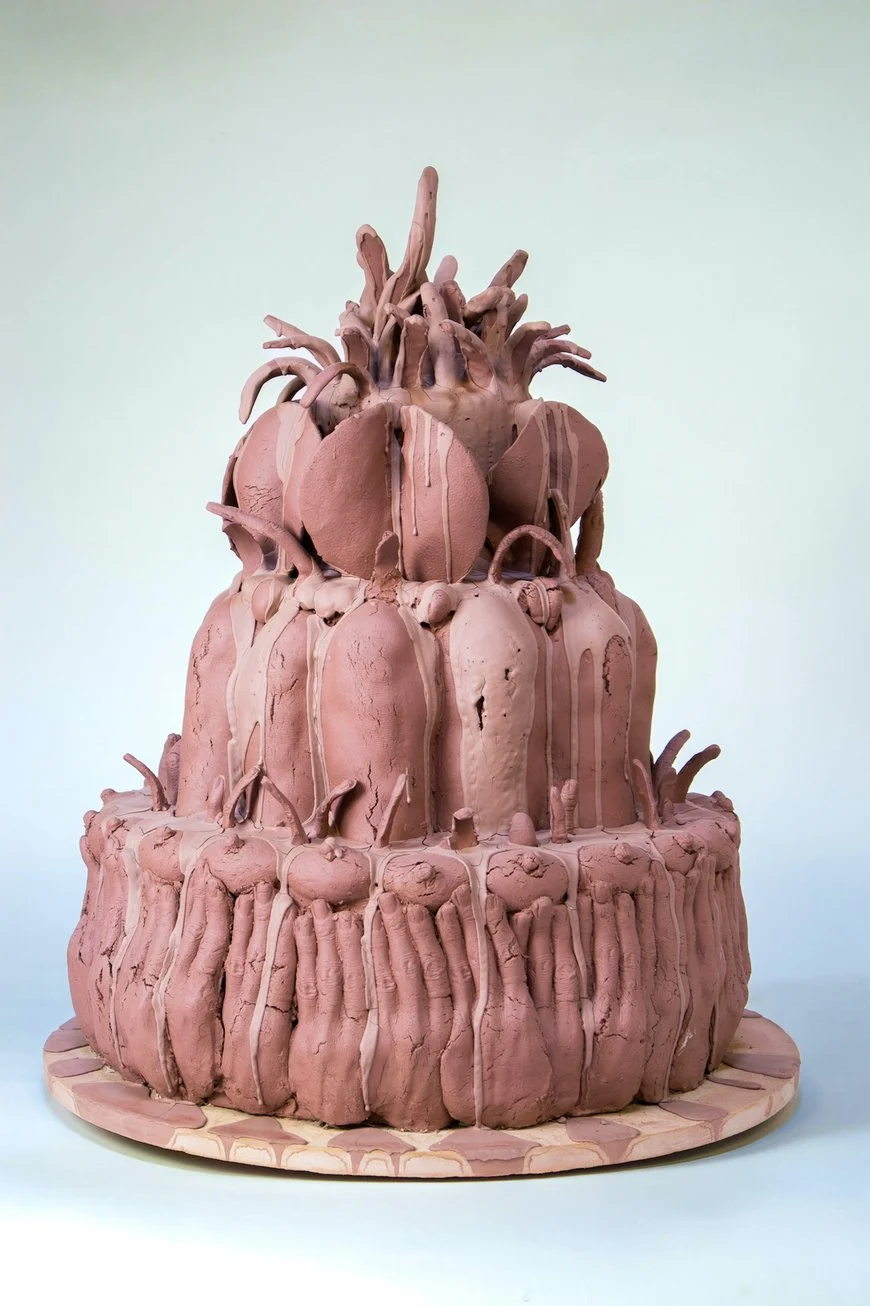
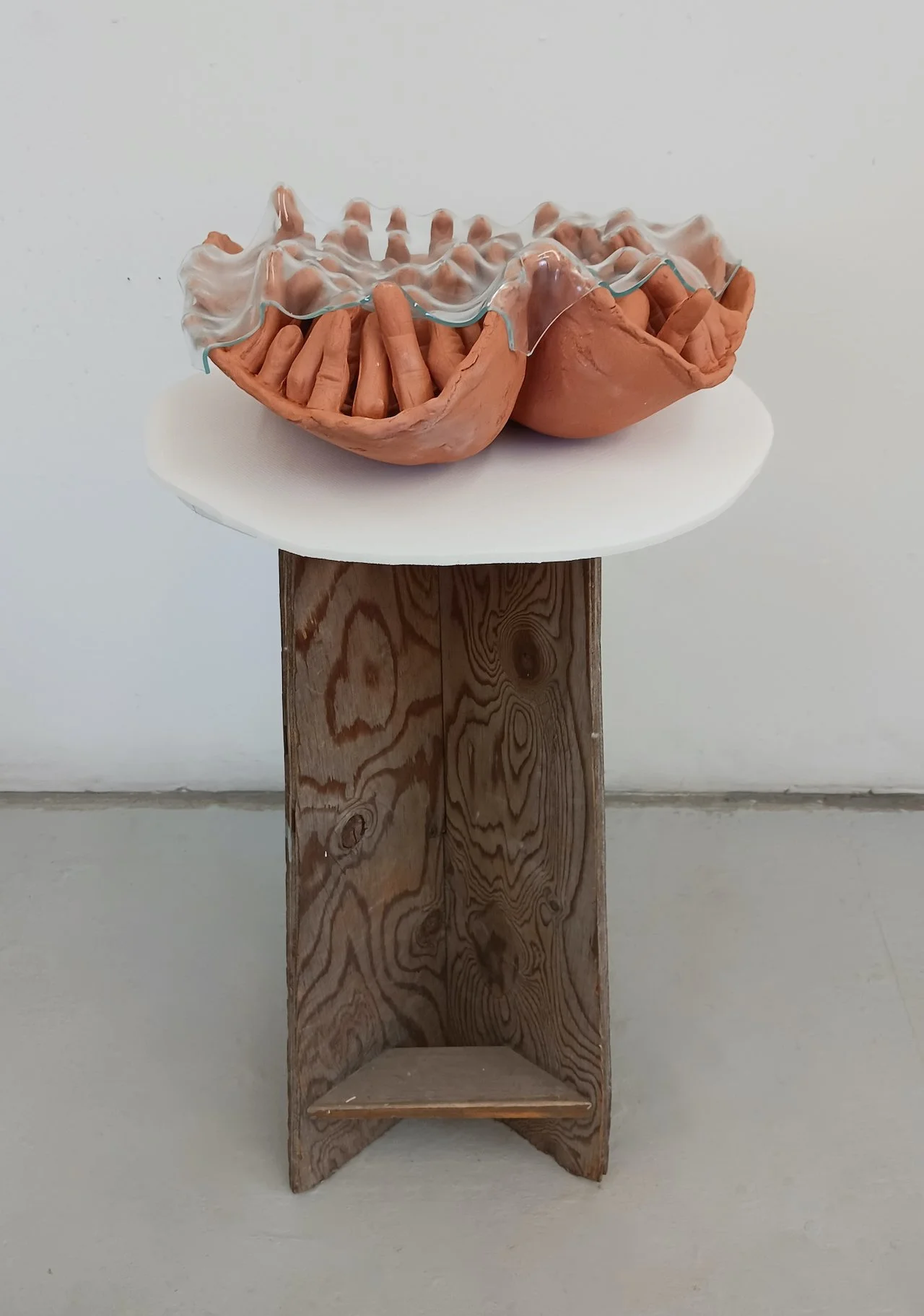
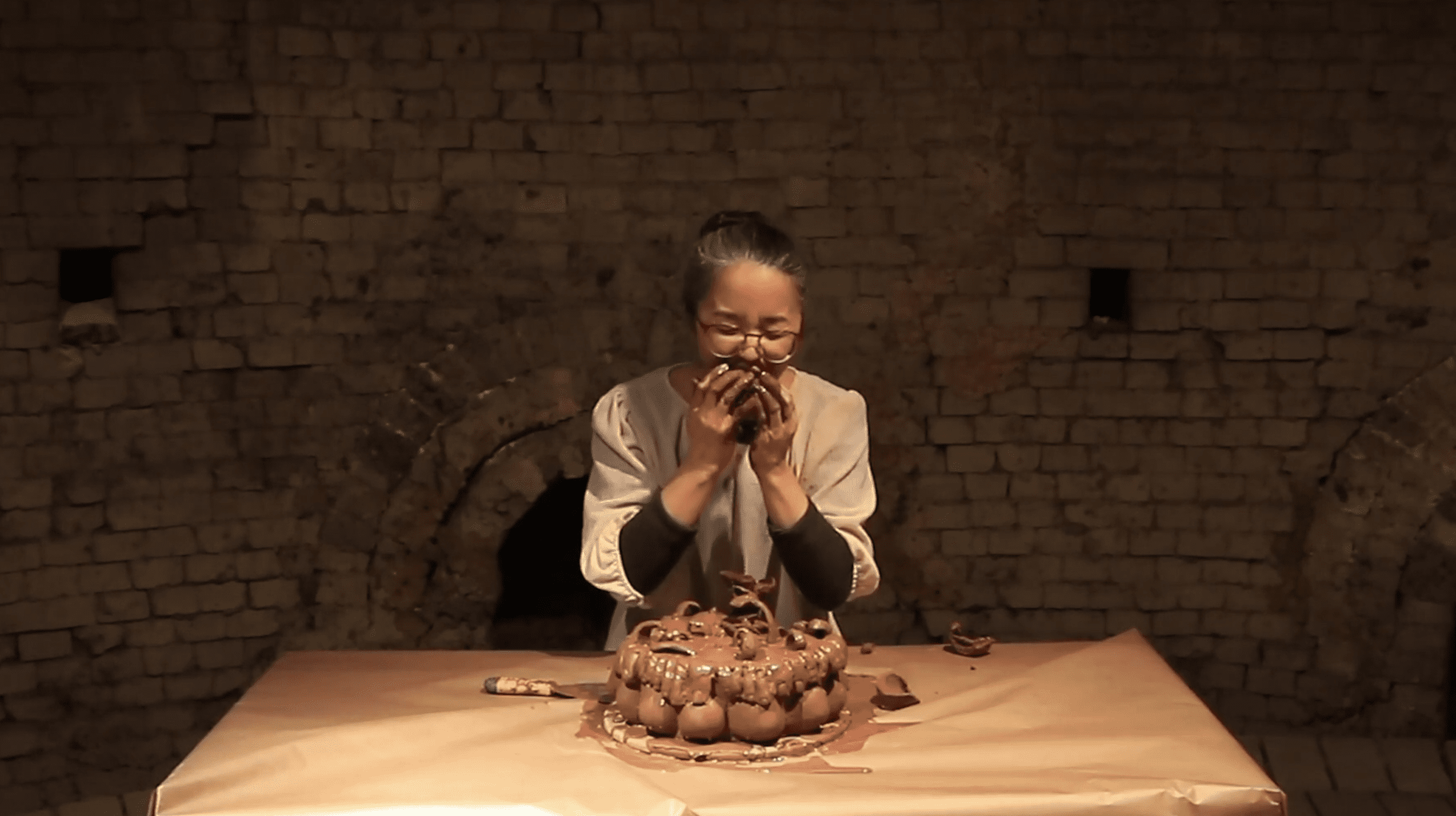
The discipline of my early training in repetitive making processes instilled an embodied understanding of form and material that continues to ground my practice. Working across sculpture and performance, I cast parts of my body to explore the marks it inherently carries, traces inherited from ancestors and etched by repeated actions over time.
Drawing from my experiences as an immigrant, mother, daughter, and partner, I investigate how identity shifts in response to physical structures, environments, and interpersonal dynamics. My goal is to use clay’s malleability, instability, and capacity for transformation to examine how the body and identity are shaped, fractured, and re-formed by cultural, structural, and emotional forces. Through this process, I aim to invite reflection on vulnerability, resilience, and the body’s continual negotiation within shifting environments.
By cutting, multiplying, and reassembling clay body parts, I transform familiar bodily forms into abstract structures that embody destruction, transformation, and regeneration. The impermanence of the material mirrors the fluidity of identity, allowing each work to exist in a state of becoming rather than a state of permanence.
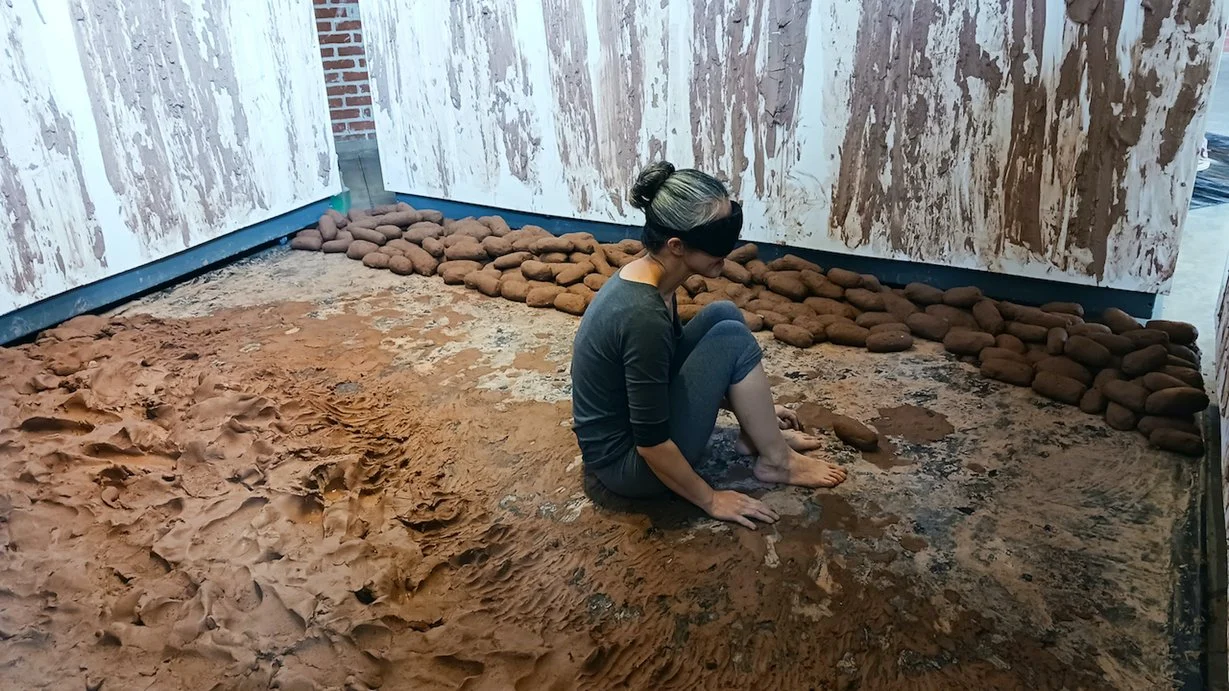
My installations often integrate furniture, mixed-media video, and live performance, creating immersive environments where the body and material interact in real time. Clay’s physical properties, its ability to yield, crack, dry, and collapse, become metaphors for the instability of identity and the ways we adapt to or resist the conditions that shape us. Through these works, I seek to provoke questions about how the body navigates structural, cultural, and emotional landscapes.